What Is Organic Red Wine?
As demand grows for organic red wine, organic-style Washington red wine, and a clean, eco-conscious experience, more consumers are searching for sustainably produced, naturally crafted bottles. At Cellar Beast Winehouse, our mission isn't just to claim USDA organic certification—we go further. We source grapes from Salmon‑Safe and Sustainable WA‑certified vineyards in Red Mountain and Candy Mountain AVAs. These grapes, often grown on organically farmed grapes and regenerative organic farming principles, undergo natural wine production techniques, such as native yeasts, tiny amounts of sulfites added, or even sulfite-free options for sulfite-intolerant consumers. Every bottle signals transparency, terroir, and a commitment to soil health and community.
1. What Defines Organic and Sustainable Red Wine?
- Organic red wine typically follows USDA or EU-approved standards, but our focus is on sustainably grown wines. Many vineyards employ biodynamic wine methods and California Certified Organic Farmer-influenced practices, utilizing natural winemaking techniques that avoid the use of harmful sulfites.
- We favor minimal intervention, native yeasts, and bound sulfites to maintain flavor but reduce unwanted additives.
- Certifications like Salmon-Safe certified wine and Sustainable WA ensure environmental stewardship—from water to soil to wildlife.
2. The Value of Responsible Sourcing
- The Red Mountain red wine vineyards deliver intensity and structure, while Candy Mountain wine brings mineral nuance.
- Through dry farming, nurturing soil health, and encouraging biodiversity, our growers exemplify sustainable farming practices ideal for premium WA AVA red wine.
- Salmon-safe vineyards ensure minimal runoff and protect fish habitats, delivering grape purity and a positive ecological impact.
3. How Sustainability Elevates Flavor
- The terroir and farming methods yield exceptional taste—ripe cassis, dark cherry, cedar, and spice are prominent in reds such as Cabernet Sauvignon, Pinot Noir, Red Blend, and Bordeaux-style blends.
- Clean vineyard and cellar strategies shape clarity and structure, with carbon dioxide forming naturally during fermentation, and only tiny amounts of sulfites are added.
- These natural methods result in expressive, clean red wine that Cellar Beast is proud to offer.
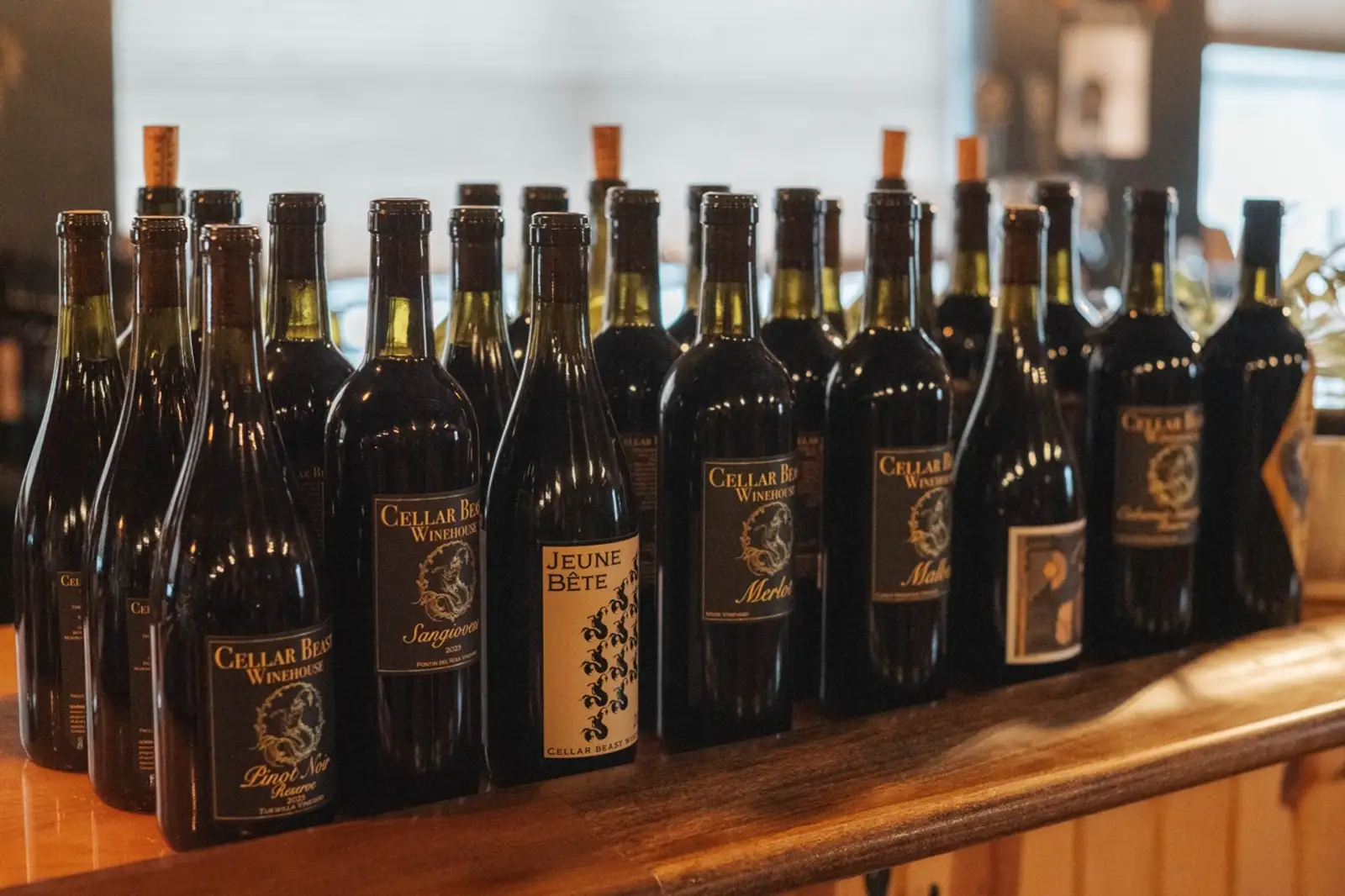
4. Explore Cellar Beast’s Organic‑Style Red Wines
Highlighted Bottles:
- Midnight Archer – An 82% Cabernet Sauvignon blend from Red Mountain’s Quintessence Vineyard. Deep blackberry and cocoa aromas define this premium WA AVA red wine. Shop Midnight Archer online!
- Red Heaven Vineyard Cabernet Sauvignon – A single-vineyard powerhouse with terroir-driven tannins and complexity.
- Grand Mélange – A Right-Bank Bordeaux-style Red Blend (Merlot, Cabernet Sauvignon, Cabernet Franc, Petit Verdot) from Scooteney Flats—smooth, elegant, and food-friendly.
- Red Mountain Malbec Reserve – Sourced from the esteemed Scooteney Flats Vineyard, this 2022 Malbec reveals lush dark plum, violet, and mocha tones with a structured yet velvety finish—reflecting Cellar Beast’s organic-leaning practices and restrained oak approach. Buy Malbec Reserve Now!
Additional Selections:
- Malbec Reserve – Rich and spicy, showcasing Redwood flavors from Cannon Vineyard.
- Candy Mountain Cabernet Sauvignon (when available) – Crafted with the same natural winemaking ethos, often nearly sulfite-free for sulfite-intolerant guests.
Pairings & Profiles:
- Reds like these shine with grilled meats, hearty stews, herb-roasted dishes, and aged cheeses.
Wine Club & Samplers:
- Our wine club program features wine sampler options, bundles, and quarterly shipments—ideal for exploring a diverse range of sustainably sourced wine bottles. Customize your wine subscription or join our wine club for exclusive releases and member pricing.
5. Buy Sustainable Red Wine Online
- As an eco-conscious red wine shop, CellarBeastWine.com offers a secure shopping experience, complete with My Cart, unit pricing, and seamless checkout.
- We ship nationwide—PA direct, and other states via Vinoshipper, always with sustainable packaging.
- Choose from a wine bundle, a wine sampler, or cue your quarterly wine club selections—making it easier than ever to buy sustainable red wine online.
Conclusion
Cellar Beast Winehouse offers more than organic red wine—we deliver authentic, organic-style, biodynamic wine experiences grounded in Salmon‑Safe and Sustainable WA practices. From natural wine production techniques to thoughtful farming, each bottle is a celebration of terroir, taste, and respect for the land. Read more about Washington AVAs in this recent blog post. Read more about Red Blends in this recent post.
Call to Action:
Experience the best of Red and Candy Mountain—shop clean, sustainably grown reds like Midnight Archer, Red Heaven, and Grand Mélange. Taste the legacy at Cellar Beast today.
About the Author
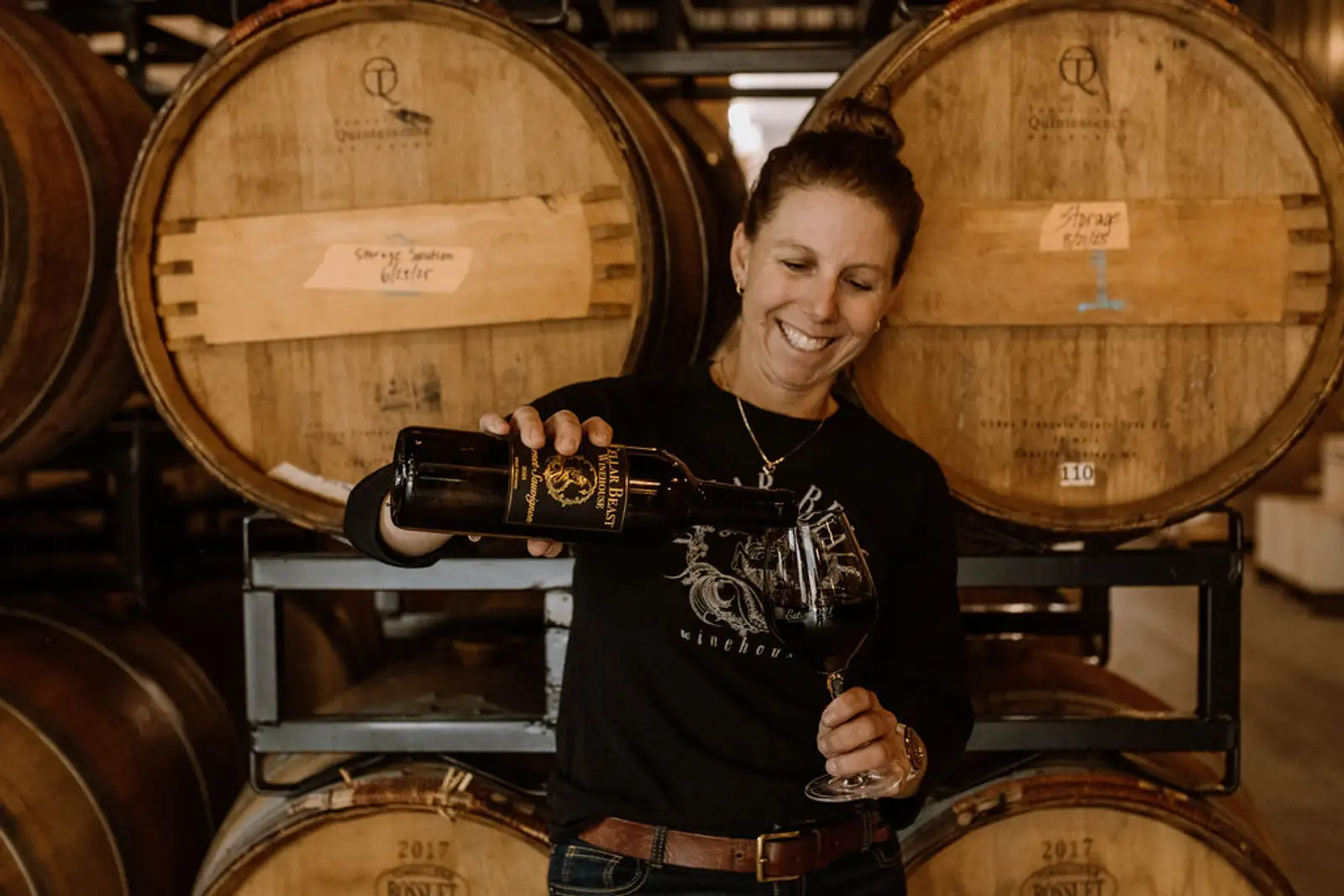
Kim McCullough, Co‑Founder & Level One Sommelier, brings over a decade in sustainable winemaking to Cellar Beast Winehouse. With deep expertise in organic wine, biodynamic wine, and regenerative organic farming, Kim works directly with Washington’s renowned growers. She oversees fermentation processes, barrel aging, and natural winemaking techniques, ensuring that each bottle—whether Cabernet Sauvignon, Pinot Noir, or an organic-style Red Blend—reflects the vineyard's terroir and ethical farming values. Kim curates the wine club program, guides tastings, and educates consumers on the importance of clean red wine crafted with integrity.