Kim McCullough is the Owner and Co-Founder of Cellar Beast Winehouse, where her passion for wine, sustainability, and entrepreneurship drives every vintage. A certified Level Two Sommelier from the Wine School of Philadelphia, Kim combines her deep knowledge of enology with a refined palate, honed through extensive training in wine regions, grape varieties, and sensory analysis. Kim’s expertise lies in crafting terroir-inspired wines that capture the essence of soil, climate, and harvest. She works closely with top growers in premier wine regions to source exceptional grapes, ensuring every bottle reflects the vineyard’s unique character. Her favorite Cellar Beast creations, like Blanc de Noir and Primitivo, highlight her dedication to handcrafted, sustainable winemaking. In addition to her role as a winemaker, Kim manages a dynamic team, oversees HR and commercial sales, and designs wine-pairing experiences that elevate dining moments. Her background as an educator brings a unique perspective to Cellar Beast, fostering a culture of learning and innovation that resonates with wine enthusiasts and newcomers alike. Kim lives in Allentown, PA, with her husband and three daughters. Through her work at Cellar Beast Winehouse, she continues to blend artistry, science, and education to create wines that delight and inspire.
What is Chardonnay Wine? Chardonnay wine is a white wine made from the Chardonnay grape, originally from the Burgundy region of France. It is one of the most popular and widely planted white wine grapes globally due to its adaptability, diverse flavor profile, and compatibility with various winemaking styles. Whether crisp and unoaked or rich and buttery, Chardonnay offers something for every palate. Read more about the impact of oak on wine here.
At Cellar Beast Winehouse, we embrace both tradition and innovation in our Chardonnay wines, focusing on balanced acidity, expressive character, and real flavor intensity.
Chardonnay Wine Characteristics: Flavor, Oak Influence & Acidity
1. Fruit Flavors & Styles
Fruit Flavors: Chardonnay offers a spectrum of fruit flavors, from citrus notes and pear flavors to stone fruit and tropical flavors like pineapple.
Oak Flavors & Influence: Oak-driven styles introduce baking spices, flavors of vanilla, and a lavish oak spice that adds depth and complexity. Barrels for flavor also contribute to notes of pie crust and butter.
Texture & Acidity: This grape showcases an impressive range from unoaked Chardonnays with crisp acidity and floral lift to richer, oak-influenced styles with creamy texture and mouthwatering acidity.
2. How Chardonnay is Made: Winemaking Techniques
Malolactic Fermentation: This process transforms tart malic acid into softer lactic acid, giving wines a rounder, buttery texture.
Stainless Steel Tanks vs. Oak Barrels: Stainless steel preserves freshness and fruity flavors, ideal for leaner styles. Oak barrels add richer flavors and complexity.
Cool Fermentation & Cool Climate Styles: Wines from cooler climates and cool fermentation techniques exhibit energetic Chardonnays with enticing aromas and crisp citrus character.
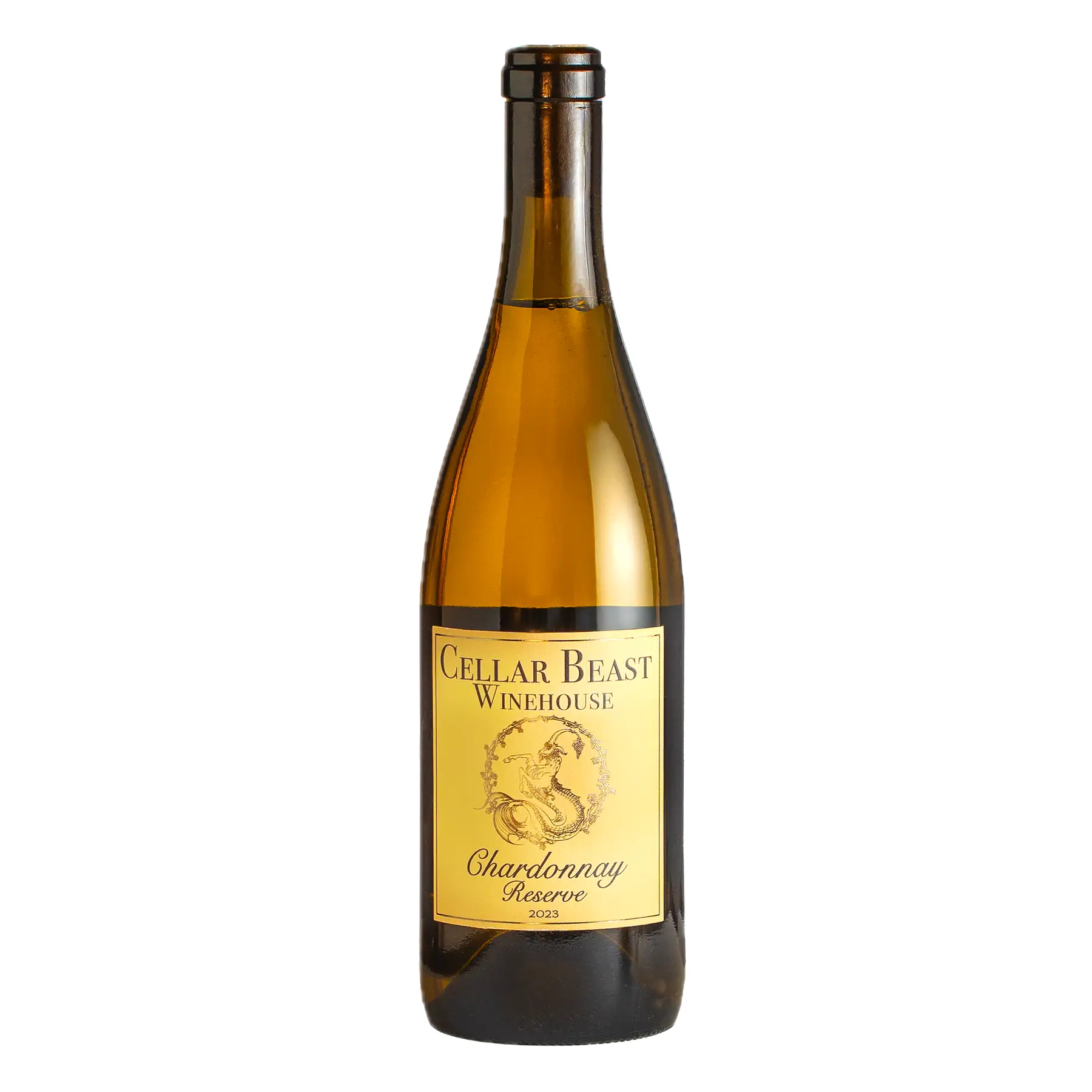
Chardonnay Reserve 2023
Yakima Valley, WA
Top Chardonnay Wine Regions to Know
1. United States
Napa Valley: Known for full-bodied, oak-driven New World Chardonnay with tropical fruit and buttery notes.
Sonoma County & Sonoma Coast: Balanced wines with bright acidity, citrus flavors, and mineral notes.
Santa Barbara County & Santa Lucia Highlands: Elegant wines combining rich texture with refreshing acidity.
Anderson Valley & Columbia Gorge: Cool regions producing fresh wines with concentrated fruit flavors and floral notes.
Yakima Valley, Washington: Renowned for producing impressively fresh and aromatic Chardonnays with crisp acidity, bright citrus, and subtle hints of vanilla. At Cellar Beast Winehouse, we proudly source grapes from select vineyards in Washington State to craft our signature Chardonnay wines.
2. Australia
Yarra Valley & Margaret River: Recognized for balanced wines with citrusy acidity, tropical fruit, and minimal oak influence.
Hunter Valley: Notable for producing fresher, less oak-influenced white wines.
3. France
Burgundian Styles: Complex Chardonnays from prestigious vineyards, known for soil character, elegant minerality, and layers of flavors.
Cru Vineyards: Especially in Chablis and Meursault, offer better-balanced Chardonnays with citrus character and delicate flavors.
4. South Africa
South Africa offers Chardonnay wines with tropical flavors, fresh acidity, and an impressive texture. Its winemakers craft excellent wines ideal for international markets.
Top-Rated Chardonnay Wines and Producers
Rombauer Chardonnay: A favorite for its oak-driven tropical flavors and creamy texture.
Chateau Montelena: A historic producer whose blind tasting win surprised French judges.
J. Lohr Estates Riverstone Chardonnay: A hit in the American market for its approachable fruit-forward profile.
Hartford Court Chardonnay: Attention-getting wines with bright acidity and balanced oak.
Louis Latour & Glenora Wine Cellars: Established producers crafting classic and complex Chardonnays.
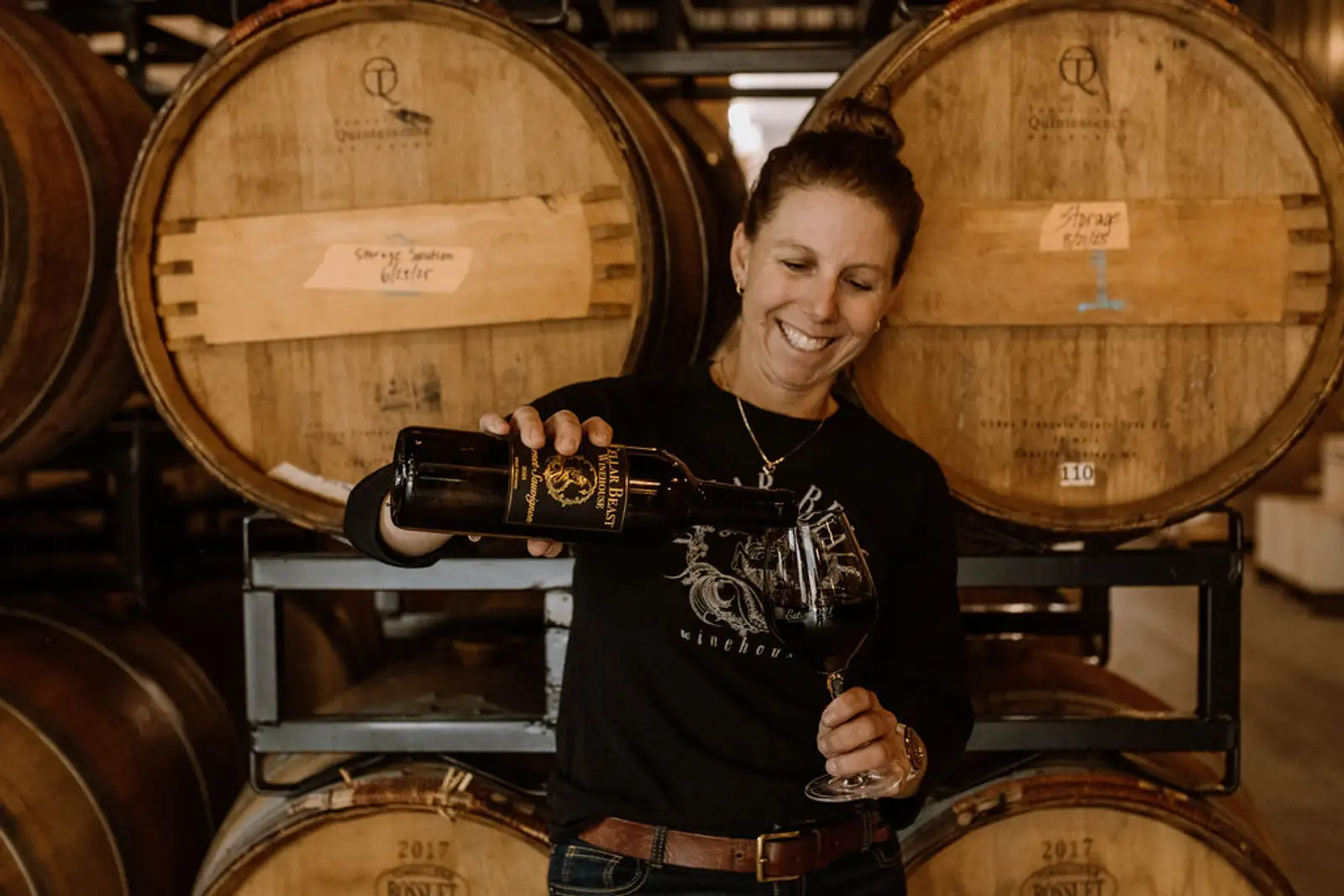
Kim McCullough helps at Cellar Beast's pairing dinner featuring the best chardonnay wines.
Chardonnay Wine Pairings
1. Food-Friendly Pairings
Fish - Meaty & Oily: Salmon or halibut.
Fish Tacos: Especially with unoaked Chardonnays.
Cheese - Fresh & Soft: Like goat cheese or Brie.
Pasta & Poultry with Creamy Sauces: Highlighting the wine's natural acidity and creamy texture.
2. Innovative Pairings
Unoaked Chardonnays shine with citrus-based seafood dishes and Asian cuisine.
Oak-influenced Chardonnays pair beautifully with roasted vegetables, herb-crusted chicken, or rich cheeses.
How Cellar Beast Crafts the Best Chardonnay Wines
Our approach to winemaking starts in the vineyard with meticulous grape cluster selection. At Cellar Beast, we balance oak influences and natural acidity to create white wines that are both refined and expressive. We often utilize stainless steel tanks for our unoaked Chardonnay to preserve freshness while carefully aging select batches in oak to build depth without producing clumsy wines.
As a winemaker and co-founder, I (Kim) am dedicated to producing world-class Chardonnay wines that offer elegance, real flavor intensity, and food-friendliness. Our signature Cellar Beast Chardonnay showcases grapes from Washington’s Yakima Valley, where the cooler climate contributes to its bright acidity, crisp apple, and citrus notes. Each bottle embodies our dedication to crafting excellent wines that appeal to American wine lovers and international markets.
Our Cellar Beast selections deliver on every level for those seeking the best Chardonnay wine experience. From the fresh, mineral-driven, unoaked Chardonnay to our complex, oak-aged releases featuring tropical fruit, notes of vanilla, and lavish oak spice, there’s a Cellar Beast Chardonnay for every palate. Ready to elevate your wine journey? Shop our Chardonnay collection today.
Conclusion
Chardonnay is genuinely a grape of many expressions. From refreshing, unoaked wines to decadent, oak-influenced masterpieces, there’s something for everyone. At Cellar Beast, we take pride in producing the best Chardonnay wines that showcase terroir, creativity, and dedication. Discover our exceptional Chardonnay wines and experience the Cellar Beast difference. Take a guided tasting with one of our talented sommeliers and learn more about Chardonnays!
Chardonnay Wine — FAQ
What defines chardonnay wine in terms of flavor?
Chardonnay wine can range from crisp and citrus-driven to rich and buttery, depending on climate and winemaking style. Cool-climate chardonnay wine often shows green apple, lemon, and minerality, while warmer regions lean toward tropical fruit. This versatility is part of what makes chardonnay wine so popular worldwide.
Is chardonnay wine typically oaked or unoaked?
Chardonnay wine can be made in both oaked and unoaked styles. Oaked chardonnay wine develops notes of vanilla, toast, and creaminess, while unoaked versions remain fresh with pure fruit expression. Winemaker preference and regional tradition shape the final profile.
Which regions produce the best chardonnay wine?
Top regions for chardonnay wine include Burgundy, California, Oregon, and Australia’s Margaret River. Burgundy emphasizes elegance and minerality, while California often offers fuller-bodied richness. Exploring these regions highlights the global diversity of chardonnay wine.
How should I serve chardonnay wine?
Serving chardonnay wine slightly chilled—around 50–55°F—brings out its aromatics and texture. Fuller-bodied versions benefit from a slightly warmer pour, enhancing their complexity. Proper serving temperature ensures chardonnay wine shows its best characteristics.
What foods pair best with chardonnay wine?
Chardonnay wine pairs beautifully with dishes like roasted chicken, seafood, creamy pasta, and mild cheeses. Its acidity and texture make it adaptable across a range of flavors. Oaked chardonnay wine complements richer dishes, while unoaked styles shine with lighter fare.
Does chardonnay wine age well?
High-quality chardonnay wine, especially from Burgundy, can age gracefully for many years. Over time, it develops nutty, honeyed, and savory complexity while retaining fresh acidity. Everyday chardonnay wine is generally best enjoyed young for its bright fruit character.
About the Author: Kim McCullough
Kim McCullough is the Owner and Co-Founder of Cellar Beast Winehouse, combining her extensive expertise in winemaking, terroir, and sustainability with formal training as a Level Two Sommelier at the Wine School of Philadelphia. Kim’s deep understanding of wine regions, grapes, and winemaking techniques allows her to craft elegant, expressive wines that showcase real flavor intensity. Her dedication to excellence in the vineyard and cellar makes her uniquely qualified to write about the best Chardonnay wines.
Kim McCullough is the Owner and Co-Founder of Cellar Beast Winehouse, where her passion for wine, sustainability, and entrepreneurship drives every vintage. A certified Level Two Sommelier from the Wine School of Philadelphia, Kim combines her deep knowledge of enology with a refined palate, honed through extensive training in wine regions, grape varieties, and sensory analysis. Kim’s expertise lies in crafting terroir-inspired wines that capture the essence of soil, climate, and harvest. She works closely with top growers in premier wine regions to source exceptional grapes, ensuring every bottle reflects the vineyard’s unique character. Her favorite Cellar Beast creations, like Blanc de Noir and Primitivo, highlight her dedication to handcrafted, sustainable winemaking. In addition to her role as a winemaker, Kim manages a dynamic team, oversees HR and commercial sales, and designs wine-pairing experiences that elevate dining moments. Her background as an educator brings a unique perspective to Cellar Beast, fostering a culture of learning and innovation that resonates with wine enthusiasts and newcomers alike. Kim lives in Allentown, PA, with her husband and three daughters. Through her work at Cellar Beast Winehouse, she continues to blend artistry, science, and education to create wines that delight and inspire.








.svg)
.svg)