Kim McCullough is the Owner and Co-Founder of Cellar Beast Winehouse, where her passion for wine, sustainability, and entrepreneurship drives every vintage. A certified Level Two Sommelier from the Wine School of Philadelphia, Kim combines her deep knowledge of enology with a refined palate, honed through extensive training in wine regions, grape varieties, and sensory analysis. Kim’s expertise lies in crafting terroir-inspired wines that capture the essence of soil, climate, and harvest. She works closely with top growers in premier wine regions to source exceptional grapes, ensuring every bottle reflects the vineyard’s unique character. Her favorite Cellar Beast creations, like Blanc de Noir and Primitivo, highlight her dedication to handcrafted, sustainable winemaking. In addition to her role as a winemaker, Kim manages a dynamic team, oversees HR and commercial sales, and designs wine-pairing experiences that elevate dining moments. Her background as an educator brings a unique perspective to Cellar Beast, fostering a culture of learning and innovation that resonates with wine enthusiasts and newcomers alike. Kim lives in Allentown, PA, with her husband and three daughters. Through her work at Cellar Beast Winehouse, she continues to blend artistry, science, and education to create wines that delight and inspire.
You’ve been there: staring at two bottles—Cabernet Sauvignon and Merlot—wondering which red wine to open for dinner. One’s the King of Red Wine Grapes; the other’s the silky underdog. Most guides make it sound like a coin toss. But at Cellar Beast Winehouse, we don’t believe in guessing.
By the end of this guide, you’ll know exactly which style belongs in your glass tonight, how to pair them, and why our Yakima Valley AVA and Red Mountain reds rival the best from French wine regions like St. Émilion, Bordeaux, and Spring Mountain.
At Cellar Beast, every bottle tells the story of red wine craftsmanship—fruit trucked cold from elite vineyards across Washington, Oregon, and California, then aged in a mix of French and American oak barrels by Head Winemaker Matt Check. This isn’t textbook wine education. It’s a decision guide for people who actually drink wine.
Cabernet vs Merlot in 60 Seconds: The No-Nonsense Answer
The Fast Take: Who Wins for You?
This isn’t about which grape is better; it’s about which texture and mood you want tonight.
Cabernet Sauvignon: Full-bodied wine, high tannin, black currant and black cherry, graphite, tobacco, strong oak aging character, long aging potential.
Merlot: Medium to full-bodied, fruit-driven plum, cocoa, baking spice, supple tannins, earlier drinking window, generous mouthfeel.
Both belong to the same Bordeaux family—Cabernet and Merlot are siblings through Cabernet Franc, one of the original clonal varieties perfected in French wine regions centuries ago.
When to Pick Cabernet (and When to Skip It)
Cabernet Sauvignon excels with ribeye steak, lamb, or braised short ribs. Its firm tannins and oak structure make it a classic food pairing partner for richly marbled proteins and aged cheeses.
Skip it with spicy cuisine or delicate fish—it’ll dominate. As Matt Check often says, “At Cellar Beast, Cabernet is about structure for steak, not syrup for dessert.”
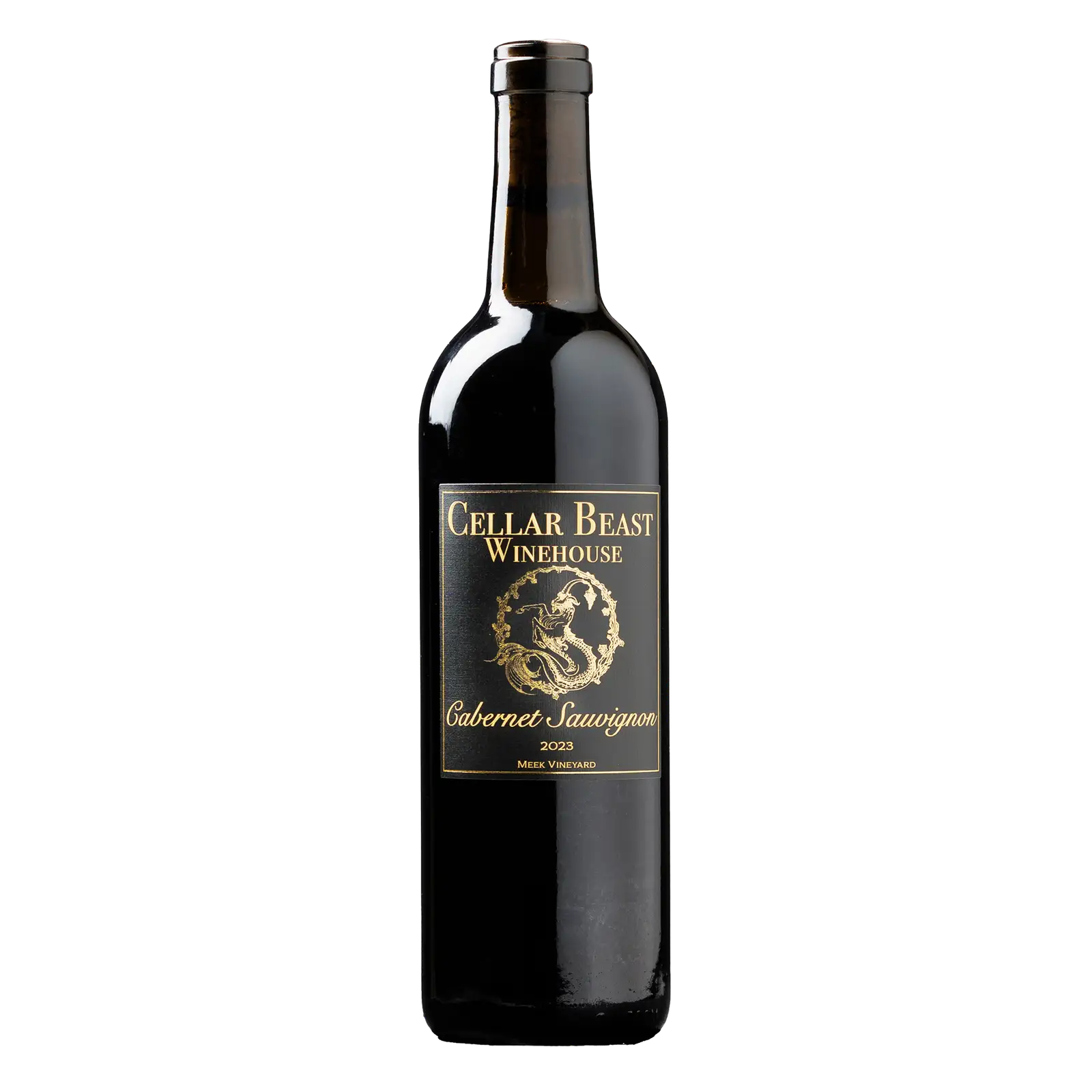
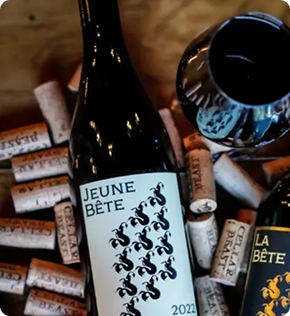
2023 Cabernet Sauvignon
Yakima Valley
When to Pick Merlot (and When It Will Disappoint You)
Merlot thrives with roast chicken, pork tenderloin, mushroom pasta, or pizza—meals where its smooth fruit and moderate acidity shine. It’s ideal for guests who “don’t like tannin” yet still want red wine depth.
Avoid it when your meal calls for grip and muscle; that’s Cabernet’s job.
Cellar Beast recommends Merlot-led reds when you want everyone at the table to be happy—not just the tannin junkies.
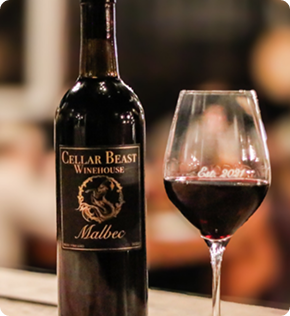
Merlot 2022
Yakima Valley
Flavor, Structure & Food Pairing: How Cabernet and Merlot Behave at the Table
Cabernet vs Merlot Flavor Profiles Side by Side
Element
Cabernet Sauvignon (Cabernet-style)
Merlot (Merlot-style)
Overall Style & Mood
Bold, structured, “steak wine” that makes a statement
Plush, easygoing, “everyone’s happy” dinner-party red
Body & Texture
Full-bodied, firm, grippy texture; feels powerful on the palate
Medium to full-bodied, round and smooth; feels cushioned and soft
Tannins & Acidity
Higher tannin and acidity, built for structure and aging
Softer tannins, moderate acidity, more immediately approachable
Core Flavor Profile
Blackcurrant, cassis, black cherry, cedar, graphite, tobacco
Plum, black cherry, cocoa, baking spice, gentle herbal notes
Best With Food
Ribeye, lamb, braised short ribs, rich sauces, aged hard cheeses
Steak night, serious dinner parties, gifting to Napa-obsessed friends
Weeknight pasta or pizza, mixed crowds, holidays where everyone needs a safe red
Aging Sweet Spot
Often improves with 5–20 years of cellaring, depending on style
Typically best within 3–8 years, focused on drinkability over long aging
Cellar Beast Match
Cellar Beast cabernet-driven reds for bold, structured steak and cellar bottles
Cellar Beast Merlot-led blends for plush, crowd-pleasing reds you can open tonight
Cellar Beast Winehouse | Cabernet vs Merlot decision guide for real-world dinners and Cellar Beast reds
At Cellar Beast Winehouse, fruit from the Yakima Valley AVA and Red Mountain shows a Bordeaux-like balance: dark fruit, firm structure, and a savory finish reminiscent of St. Émilion or Grand Mélange-style blends.
Tannins, Acidity & Oak Aging
Cabernet’s tannins come from thicker grape skins and longer ripening time. These wines see more time in oak, developing graphite, spice, and cocoa complexity. Merlot’s softer skins and earlier ripening create a plush, fruit-forward texture.
At Cellar Beast, both styles see carefully tuned oak aging—some lots in neutral French oak, others in new barrels—to keep texture elegant, not woody. Our cellar favors balance over bombast. Continue reading about oak aging wine here.
Real-World Food Pairings
Cabernet-style wines:
Ribeye steak, lamb shank, short ribs, aged Manchego
Cabernet-driven wines like our 2023 Cabernet Sauvignon (Red Heaven Vineyard) showcase black currant, black cherry, and graphite with polished tannins and French oak structure.
Merlot-led blends, including fruit from Meek Vineyard and Scooteney Flats, lean into plum, cocoa, and supple spice—ideal for pasta or roasted meats.
These reds are the bridge between California Cabernet Sauvignon boldness and French Burgundy finesse.
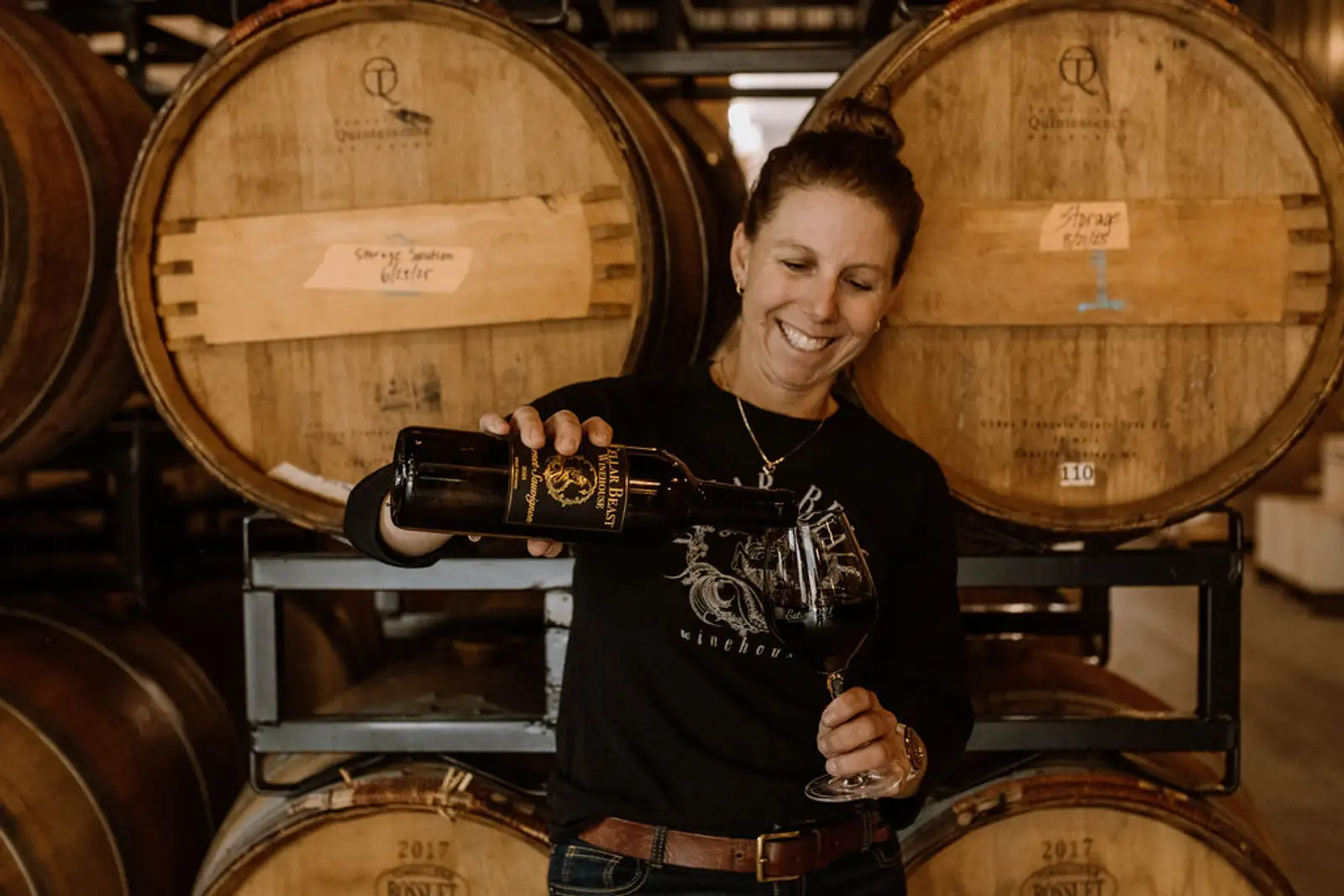
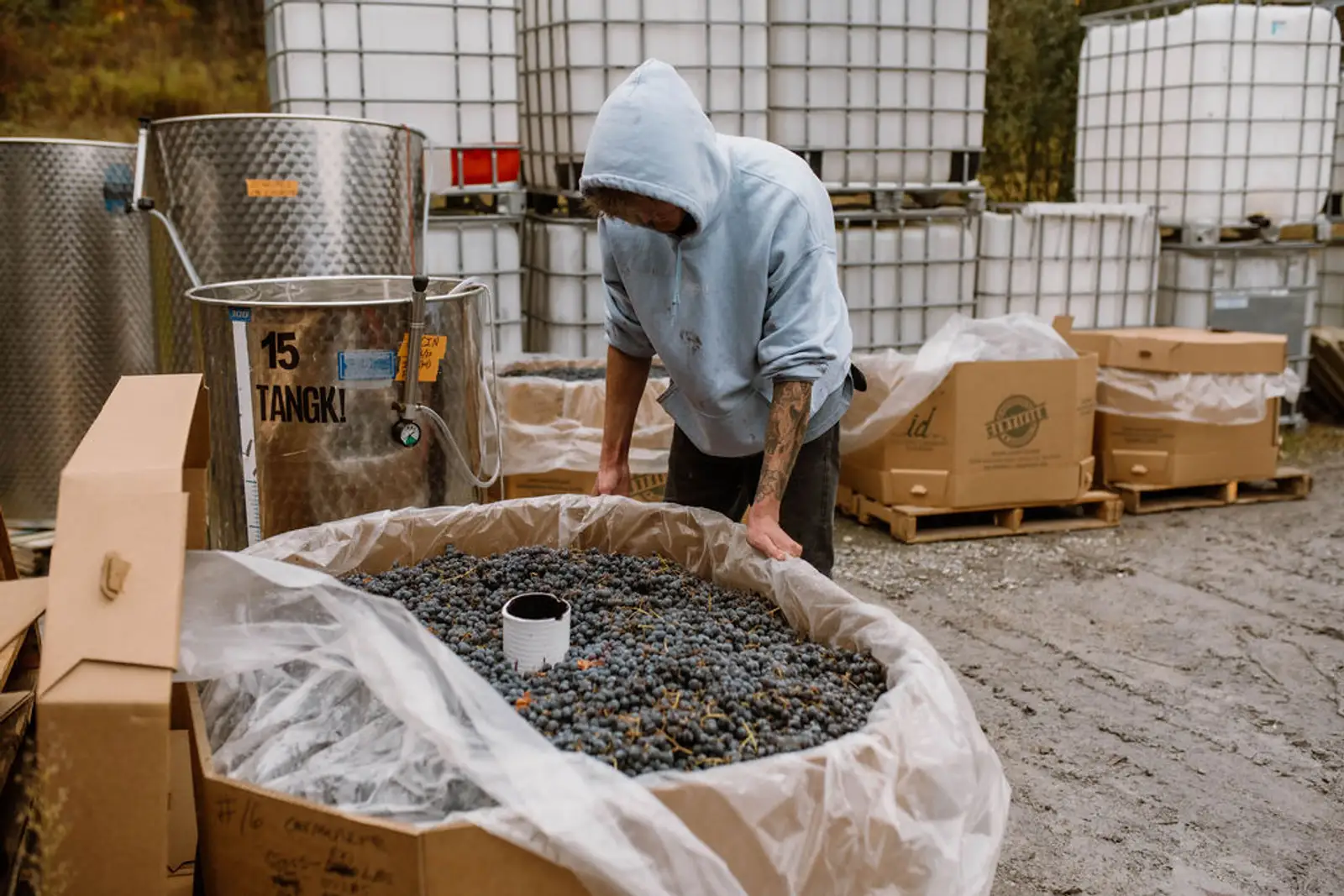
Cellar Beast winemaker receiving Washington Cabernet grapes for small-batch red wine production
Why Cellar Beast Wines Stand Out
Crafting Cabernet-Driven Reds
Our Cabernet Sauvignon lots hail from Red Mountain’s Shaw and Quintessence Vineyards and Candy Mountainhillside estates. The combination of volcanic soil and warm afternoons yields density and complexity similar to the North Coast of California icons—but with cooler-climate restraint.
We age in a mix of French and American oak barrels for 16–20 months, fine-tuning texture and aromatics—the result: structured, cellar-worthy reds that show genuine aging potential.
“Cellar Beast crafts cabernet-driven reds with structure for steak, not syrup for dessert.”
Crafting Merlot-Led Blends
Our Merlot lots from Yakima Valley and Red Mountain deliver plush fruit while blending with Petit Verdot and Cabernet Franc to maintain freshness and spice. Think 2018 Mailbox Reserve Merlot vibes—silky texture with backbone.
These blends showcase the art of blend ratio mastery—a Bordeaux approach applied through organic and regenerative farming practices that keep the vineyards alive and resilient against frost damage and climate extremes.
Cellar Beast Signature Insight
Stop treating Cabernet and Merlot like opposing teams. At Cellar Beast Winehouse, Cabernet is your edge—it commands the room. Merlot is your charm—it makes the evening flow. You don’t choose between them; you build around them.
That’s the essence of red wine craftsmanship—knowing your materials, your mood, and your meal.
Taste the Difference at the Cellar Beast Winehouse
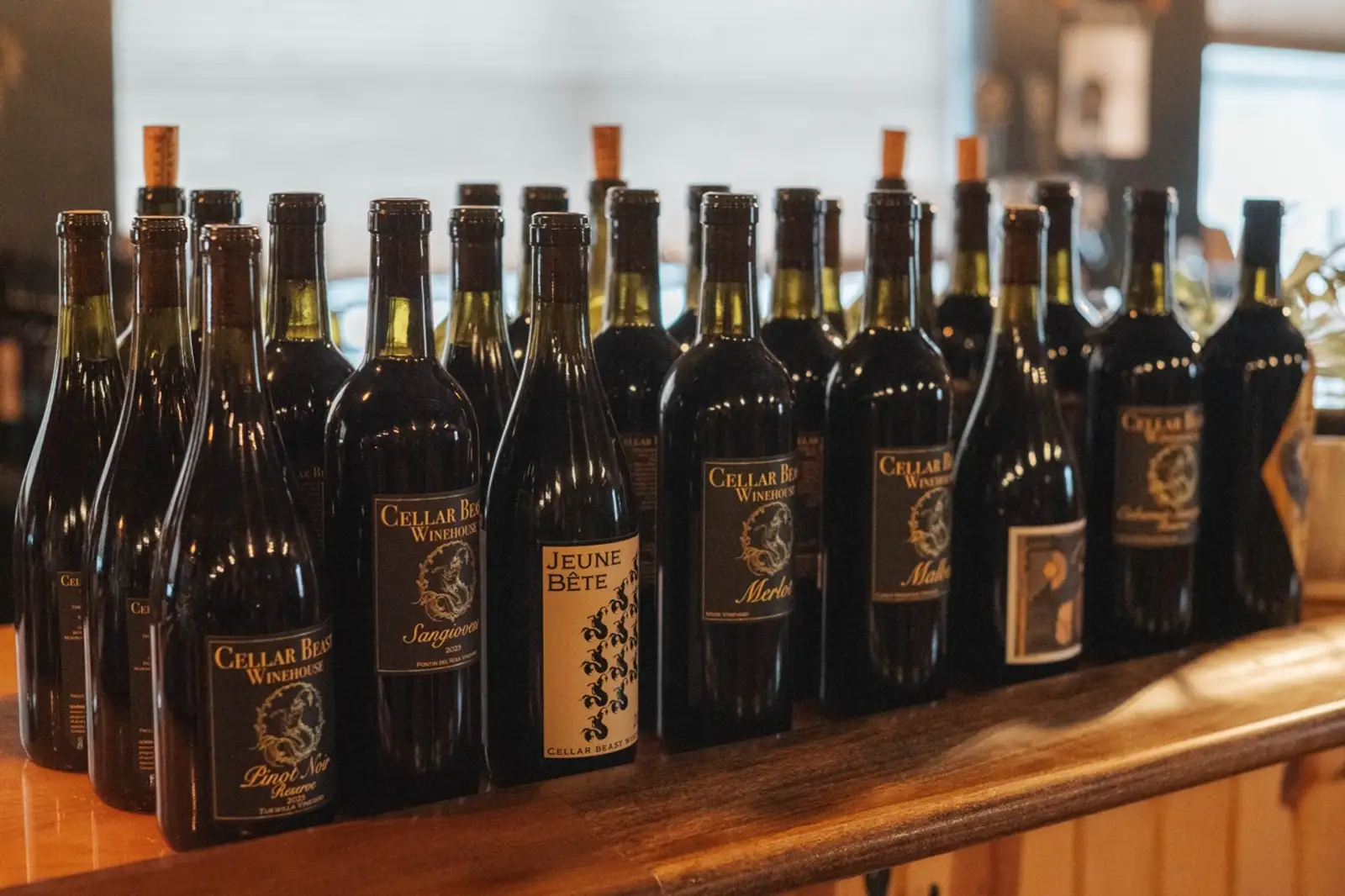
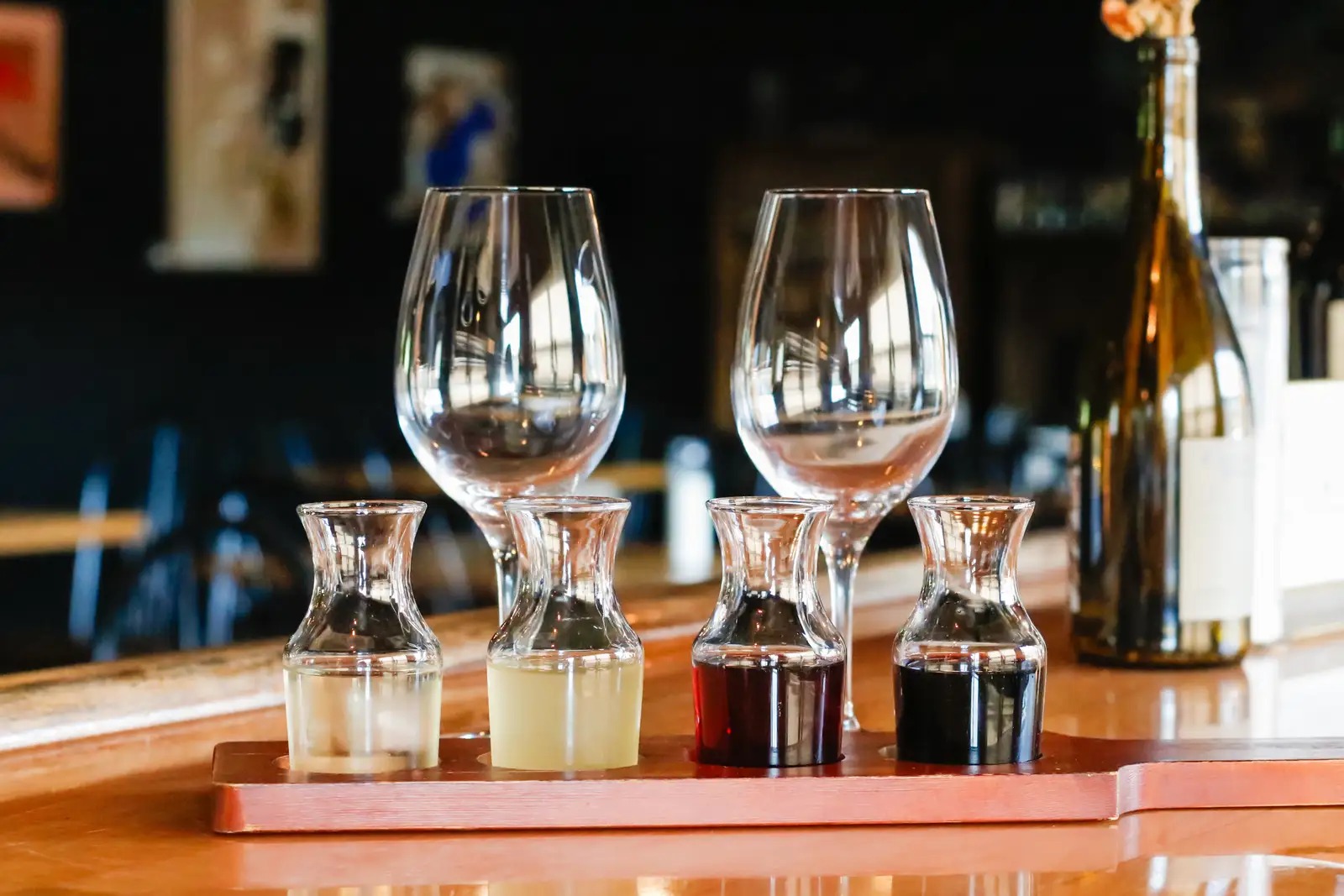
At our Pennsylvania Winehouse, you can taste Cabernet Sauvignon and Merlot blends side by side in curated flights that illustrate texture, acidity, and pairing opportunities.
What to Buy: Cabernet vs Merlot for Real-Life Moments
For Steak Night and Big Dinners
Choose Cabernet Sauvignon—especially our 2023 Red Heaven Cabernet—for ribeye, lamb, or prime rib. With its rich black-fruit, graphite, and spicy notes, it channels the structure of Keenan Winery’s 2013 Cabernet Sauvignon Reserve, but with Cellar Beast’s cool-climate signature.
Shop Cellar Beast cabernet-driven reds for your next steak night.
For Pasta, Pizza & Weeknight Takeout
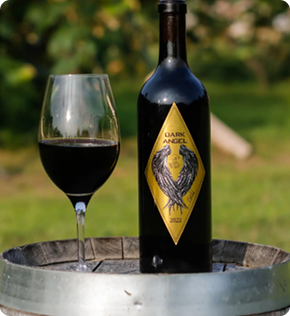
Pick Merlot-led reds from Meek Vineyard or our Dark Angel blend—smooth, fruit-driven, with just enough spice from Petit Verdot to stand up to red sauce.
Stock your weeknight red: grab a case of Cellar Beast Merlot-led blends.
For Gifting & Impressing Napa-Obsessed Friends
Want to wow a friend who swears by California Cabernet Sauvignon? Our Cabernet from Quintessence Vineyard delivers all the polish, while the Grand Mélange blend offers a softer, modern edge.
Build your Cellar Beast mini-cellar: one to age, one to drink, one to share.
Cabernet vs Merlot: Buying, Storing & Serving Like You Mean It
How to Read Labels Without Getting Played
Look for vineyard names (Meek, Red Heaven, Quintessence) and AVA designations (Yakima Valley, Red Mountain) instead of buzzwords like “reserve.” Remember, University of California, Davis research shows that climate and vineyard site dictate 80% of a wine’s character—not marketing.
Serving Temperature, Glassware & Decanting
Both reds show best around 60–65°F. Cabernet benefits from 30 minutes in a decanter; Merlot just needs a gentle swirl. A Bordeaux bowl glass will accentuate Cabernet’s aromatics; a smaller Burgundy-style glass flatters Merlot’s roundness.
Building a Simple At-Home Red Lineup
Your 3-bottle Cellar Beast arsenal:
One Cabernet-style beast for steak and cellaring.
One Merlot-led charmer for pasta and parties.
One wildcard—our Cab Franc or Petit Verdot—for bragging rights.
Cabernet vs Merlot: What's the real difference in the glass?
In cabernet vs merlot, Cabernet Sauvignon is the heavyweight: higher tannins, darker fruit, more structure, and often more oak. Merlot is the smoother operator: plush plum and cocoa notes, softer tannins, and an easier sip. Neither is better—they're built for different moods and meals.
Which wins in cabernet vs merlot for beginners?
For most beginners, merlot is the safer on-ramp because the tannins are gentler and the fruit reads clearer. In cabernet vs merlot, a good Cabernet can still be approachable—look for tasting notes that say soft, round, or supple. At Cellar Beast Winehouse, we steer you by style, not snobbery: tell us what you're eating and we'll point you straight.
Is Merlot actually sweet, or is that just internet chatter?
Most Merlot on shelves is dry, not sweet; it just tastes ripe and fruity. If you want actual sweetness, you're usually looking for an off-dry red or a dessert wine—Merlot isn't the default pick. Ask for a dry merlot explicitly if you hate surprises.
cabernet vs merlot with food: what pairs without failing?
cabernet vs merlot with food is simple: Cabernet loves fat and protein—steak, lamb, aged cheddar—because tannins get tamed by richness. Merlot plays nicer with weeknight plates like burgers, roast chicken, mushroom dishes, and tomato-based pasta. Match the weight of the dish, and you'll rarely miss.
How should I serve and store Cabernet and Merlot for the best taste?
Serve both slightly cool—around 60–65°F—so the alcohol doesn't shout over the fruit. Decant Cabernet for 20–60 minutes if it's young and tight; Merlot usually needs less, but air never hurts. Store bottles on their side in a dark, steady spot around 55°F (13°C) if you're aging them.
About the Author
Written by Kim McCullough, Owner of Cellar Beast Winehouse, with insights from Matt Check, Head Winemaker. Together, they blend science, artistry, and terroir, sourcing from hillside estates in Yakima Valley AVA, Red Mountain, and Candy Mountain while applying Old World French winemaking and organic farming principles in Pennsylvania.
Their focus: small-batch red wines with character, clarity, and purpose—crafted for the next generation of premium drinkers.
Kim McCullough is the Owner and Co-Founder of Cellar Beast Winehouse, where her passion for wine, sustainability, and entrepreneurship drives every vintage. A certified Level Two Sommelier from the Wine School of Philadelphia, Kim combines her deep knowledge of enology with a refined palate, honed through extensive training in wine regions, grape varieties, and sensory analysis. Kim’s expertise lies in crafting terroir-inspired wines that capture the essence of soil, climate, and harvest. She works closely with top growers in premier wine regions to source exceptional grapes, ensuring every bottle reflects the vineyard’s unique character. Her favorite Cellar Beast creations, like Blanc de Noir and Primitivo, highlight her dedication to handcrafted, sustainable winemaking. In addition to her role as a winemaker, Kim manages a dynamic team, oversees HR and commercial sales, and designs wine-pairing experiences that elevate dining moments. Her background as an educator brings a unique perspective to Cellar Beast, fostering a culture of learning and innovation that resonates with wine enthusiasts and newcomers alike. Kim lives in Allentown, PA, with her husband and three daughters. Through her work at Cellar Beast Winehouse, she continues to blend artistry, science, and education to create wines that delight and inspire.





.webp)


.svg)
.svg)