/ 
December 7, 2025
 / 
Kim McCullough

Pinot Noir vs Merlot: What You Need to Know Before You Buy

Uncover the distinctions between Merlot and Pinot Noir to choose the best red wine for your palate. Explore our curated selections today.

Pinot Noir vs Merlot: What You Need to Know Before You Buy

Table of Contents

When it comes to popular wines, the debate of Pinot Noir vs Merlot is common among both beginner wine drinkers and connoisseurs. Each wine showcases a unique flavor profile, structure, and winemaking techniques influencing its tannin content, acidity levels, and body.

If you've ever wondered, "What is the difference between Merlot and Pinot Noir?" this wine guide will break down everything—from their grape variety origins to food pairings—helping you find the perfect bottle of wine to suit your preference.

Explore Cellar Beast’s handcrafted Yakima Valley Merlot and Willamette Valley Pinot Noir selections.

Grape Origins & Characteristics

Merlot Grapes & Characteristics

  • Origin: Bordeaux, France – A fuller-bodied red known for its soft tannins and rich dark fruit flavors.
  • Climate: Grown in warmer wine regions like Napa Valley, Columbia Valley, and Bennett Valley, producing ripe fruit flavors with a plush texture.
  • Flavor Profile: Black cherry, black plums, dark cherry, blueberry aromas, and spice.

If you prefer a fruit-forward red that’s smooth and elegant, check out our Cellar Beast Merlot.

Wine grapes ripening in the sun.

Pinot Noir Grapes & Characteristics

  • Origin: Burgundy, France – One of the most delicate and ancient wine grape varieties, known for its lighter body and bright acidity.
  • Climate: Thrives in cooler climates like the Sonoma Coast, Russian River Valley, Central Otago, and Willamette Valley, where it develops its signature earthy flavors.
  • Flavor Profile: Cherry flavors, wild raspberry, fresh mushrooms, mushroom notes, the aroma of rose petals, and notes of the forest floor.

Merlot vs Pinot Noir: A Quick Comparison

FeatureMerlot WinesPinot Noir Wines
BodyMedium-FullLight
AcidityModerate AcidityBright Acidity
TanninsMedium TanninsGentle Tannins
Aging Potential5-15 Years5-10 Years
Primary FlavorsBlack Fruit, Dark Plums, Touch of SpiceBerry Flavor, Subtle Spice Notes, Mushroom Notes

Taste & Structure Differences

Body & Tannins

  • Merlot → Medium to full-bodied, silky tannins and a velvety texture that makes it an excellent choice for those who enjoy bolder wines.
  • Pinot Noir → Lighter-bodied, with lower tannin levels and a silky texture, making it ideal for casual wine drinkers who enjoy delicate aromas and balanced acidity.

See how these wines differ — and taste them at our Andreas tasting room.

Acidity & Alcohol

  • Merlot Wines: Feature moderate acidity, dark fruit flavors, and a plush texture, often seen in Bordeaux-like blended wines.
  • Pinot Noir Wines: They have bright acidity and are ideal for white wine drinkers looking to explore red varietal wines with a lighter body.

Learn more about acidity in wine and other wine basics here.

Food Pairing Guide for Pinot Noir & Merlot

Aging & Storage Tips for Pinot Noir & Merlot

  • Merlot-Based Wines: Best aged 5-15 years, developing blackcurrant aromas and complex flavors.
  • Pinot Noir Wines: Best aged 5-10 years in cool storage, maintaining their delicate aromas and bright fruit flavors.
  • How to Store: Keep at 50-55°F in a maritime climate with humidity control.
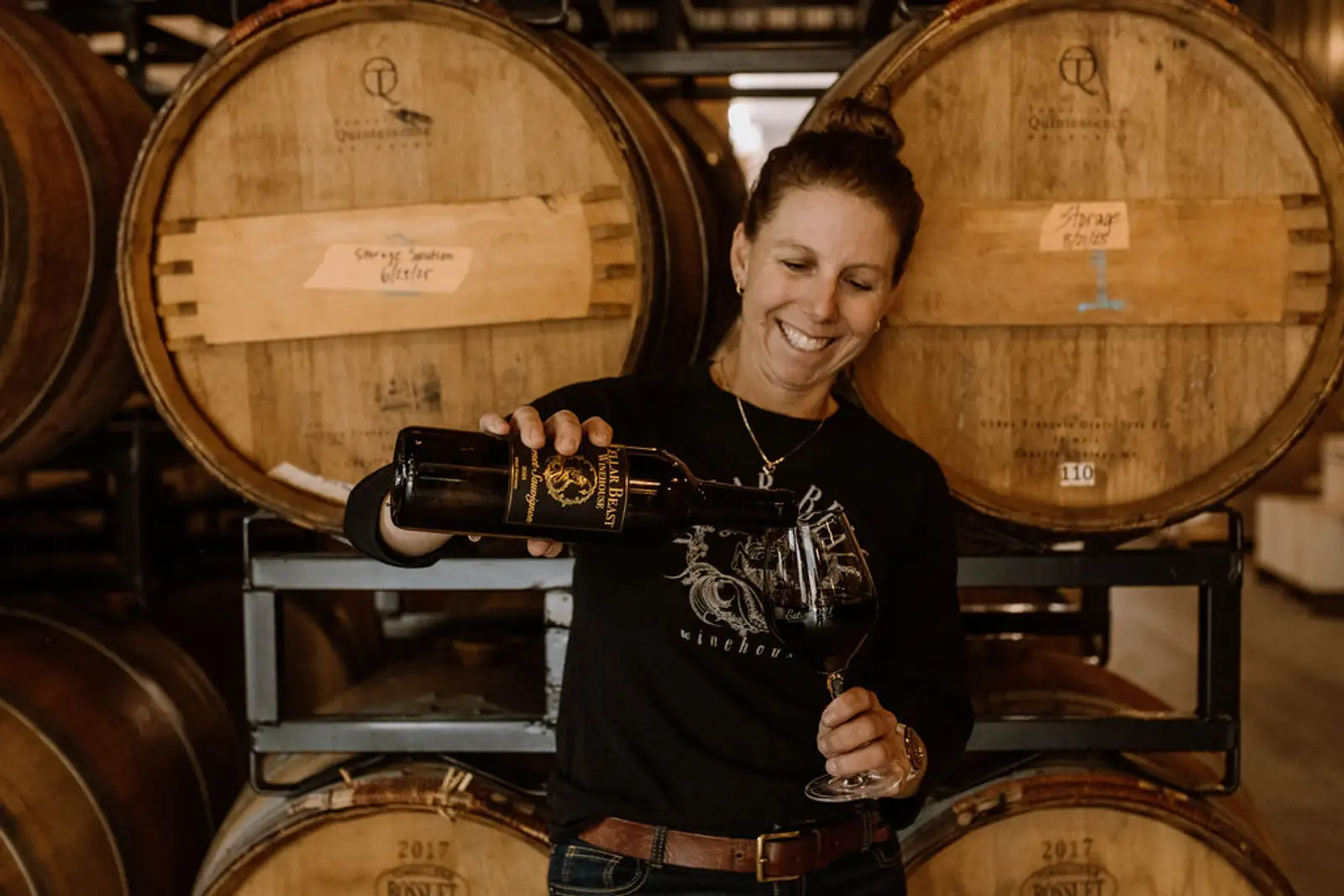
Winemaker Aaron Gratch presents Cellar Beast Merlot from the Yakima Valley AVA in Washington State.

Discover our cellar-worthy selections.

Final Verdict: Which Wine Should You Choose?

  • Choose Merlot if → You love ripe raspberry, juicy plums, dark fruit flavors, and a fuller body with silky tannins.
  • Choose Pinot Noir if → You prefer Californian Pinot Noir with fresh mushrooms, bright acidity, and earthy flavors.
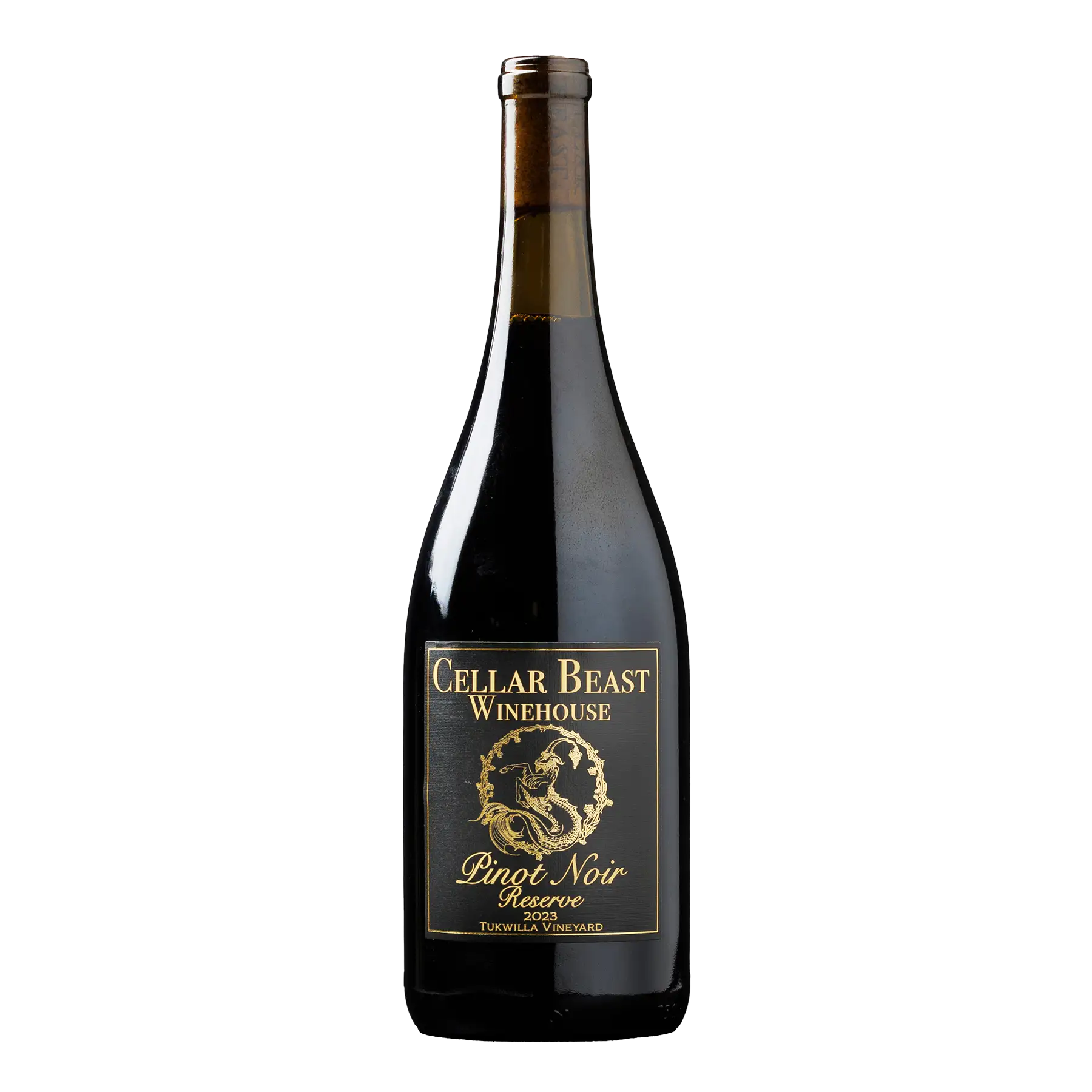
Cellar Beast 2023 Pinot Noir Reserve bottle
2023 Pinot Noir Reserve
Dundee Hills, Oregon

Explore Cellar Beast’s small-batch Merlot and Pinot Noir collections today! Learn more about Pinot vs Cabernet here.

Merlot vs Pinot Noir FAQs

What is the main difference in flavor between Merlot vs Pinot Noir?

The main flavor difference in Merlot vs Pinot Noir comes from their body and fruit expression. Merlot tends to be plush and medium-bodied with soft plum, cherry, and cocoa notes. Pinot Noir is lighter, brighter, and more aromatic, often showcasing red berries and earthy undertones. Both styles are approachable, but they offer very different tasting experiences.

Which food pairings work best when choosing between Merlot vs Pinot Noir?

Food pairings for Merlot vs Pinot Noir depend on their weight and structure. Merlot’s rounder profile complements roasted meats, braised dishes, and herb-infused sauces. Pinot Noir’s lift and acidity make it ideal for poultry, salmon, mushrooms, and lighter fare. Each wine shines when matched with dishes that balance its natural texture and aromatics.

Is Merlot vs Pinot Noir better for beginners?

Many beginners enjoy Merlot vs Pinot Noir because both wines are approachable and smooth. Merlot’s plush texture makes it easy for new wine drinkers to appreciate. Pinot Noir’s elegance and bright red fruit offer a gentle introduction to lighter-bodied reds. Choosing between the two depends mostly on personal preference for richness or delicacy.

How does aging potential compare for Merlot vs Pinot Noir?

The aging potential of Merlot vs Pinot Noir varies widely based on region and winemaking style. Structured Merlots can develop beautifully over a decade or more, gaining depth and complexity. High-quality Pinot Noir also ages well, evolving into earthy, savory layers with time. Both can reward patience, but Pinot Noir tends to be more delicate as it matures.

Which regions make the best examples of Merlot vs Pinot Noir?

Top regions for Merlot vs Pinot Noir include classic Old World and New World appellations. Merlot thrives in Bordeaux’s Right Bank as well as California and Washington State. Pinot Noir is celebrated in Burgundy, Oregon’s Willamette Valley, and cooler coastal California sites. Each region expresses the grapes’ character in unique and captivating ways.

Have more questions? Join our private wine tasting at Cellar Beast Winehouse! Learn more about Wine Varietals and Regions here.

About the Author

Kim McCullough is the co-founder and owner of Cellar Beast Winehouse, where she seamlessly blends her passion for wine with deep industry knowledge. With a keen appreciation for both Old World and New World winemaking traditions, Kim is dedicated to crafting unique, high-quality wines that highlight terroir and varietal expression. Her expertise in wine selection and food pairings makes her a trusted voice for enthusiasts looking to explore the nuances between Merlot and Pinot Noir.

Pinot Noir vs Merlot: What You Need to Know Before You Buy

Kim McCullough is the Owner and Co-Founder of Cellar Beast Winehouse, where her passion for wine, sustainability, and entrepreneurship drives every vintage. A certified Level Two Sommelier from the Wine School of Philadelphia, Kim combines her deep knowledge of enology with a refined palate, honed through extensive training in wine regions, grape varieties, and sensory analysis. Kim’s expertise lies in crafting terroir-inspired wines that capture the essence of soil, climate, and harvest. She works closely with top growers in premier wine regions to source exceptional grapes, ensuring every bottle reflects the vineyard’s unique character. Her favorite Cellar Beast creations, like Blanc de Noir and Primitivo, highlight her dedication to handcrafted, sustainable winemaking. In addition to her role as a winemaker, Kim manages a dynamic team, oversees HR and commercial sales, and designs wine-pairing experiences that elevate dining moments. Her background as an educator brings a unique perspective to Cellar Beast, fostering a culture of learning and innovation that resonates with wine enthusiasts and newcomers alike. Kim lives in Allentown, PA, with her husband and three daughters. Through her work at Cellar Beast Winehouse, she continues to blend artistry, science, and education to create wines that delight and inspire.

Subscribe to our newsletter

Thanks for joining our newsletter.
Oops! Something went wrong.