Wine is more than just a beverage—it reflects history, geography, and the grapes that define it. From Sauvignon Blanc with its refreshing acidity to full-bodied reds like Cabernet Sauvignon, each varietal wine (a wine made from a single grape variety) showcases its unique flavor profiles. Understanding how grape varieties, terroir, and winemaking traditions intersect is key to appreciating wine on a deeper level.
This guide takes you on a journey through the world of wine varietals and regions, exploring how climates, regions, and winemaking traditions shape the character of wines. Along the way, you’ll discover iconic grape varietals, their major wine regions, and how terroir creates the diversity we celebrate in the wine industry.
What is Terroir and Why Does It Matter?
Terroir—how a region’s climate, soil, and topography influence a wine—is essential to understanding its character. For example, Sauvignon Blanc from Loire Valley develops grassy notes and crisp acidity. The grape grown in warm climates like South Africa or Napa Valley delivers tropical fruit flavors and a touch of sweetness.
Terroir affects flavor and drives the winemaking process, from how grapes are grown to the use of oak barrels for aging. This concept is central to French wines, where varietal labeling is less common, and bottles of wine are identified by their region of origin. To see how terroir impacts specific varietals, explore Cabernet Sauvignon vs. Merlot for a detailed comparison.

Famous Grape Varieties and Their Home Regions
Cabernet Sauvignon and Merlot
Two of the most famous red varietals, Cabernet Sauvignon and Merlot, illustrate how terroir and tradition shape wine. Cabernet Sauvignon, often called a full-bodied varietal, thrives in Napa Valley, where rich fruit flavors and firm tannins dominate. With its soft berry flavors and hints of fig, Merlot offers a more approachable experience for wine lovers.
In Bordeaux, these two varietals combine in famous blends, with the Left Bank emphasizing Cabernet and the Right Bank featuring Merlot as the primary grape variety.
- Explore more on Cabernet Sauvignon vs. Merlot.
- Discover Bordeaux’s key regions in Right Bank Bordeaux Wines and Left Bank Bordeaux Wines.
- Read about the Best Cabernet Sauvignon and Merlot Wine in these blog posts.
Pinot Noir vs. Cabernet Sauvignon: Two Distinct Expressions
While Cabernet Sauvignon dominates warmer climates, Pinot Noir thrives in cooler regions like the Russian River Valley and Willamette Valley. These areas produce elegant, light-bodied wines with flavors of raspberry, rose petals, and earthy undertones, making Pinot Noir a favorite among wine enthusiasts. Unlike Cabernet, which offers structure and power, Pinot Noir offers delicate aromas and softer tannins, emphasizing finesse over intensity.
- Check out Pinot Noir vs. Cabernet Sauvignon and Pinot Noir vs Merlot for a deeper comparison of these iconic varietals.
- Learn more about the nuances of Pinot Noir in Pinot Noir Wine.
Sauvignon Blanc and Chenin Blanc
Among white wine varietals, Sauvignon Blanc and Chenin Blanc stand out for their versatility and vibrant flavor profiles. Sauvignon Blanc is known for its bright acidity, with notes of grapefruit and passion fruit, while Chenin Blanc offers a wide range of styles—from sweet wines to aromatic wines with hints of pear. Both varietals shine in Loire Valley, France’s most iconic wine-producing regions.
- Explore more about white wines like Sauvignon Blanc and levels of acidity in Best Sauvignon Blanc.
- Read about Chardonnay vs Sauvignon Blanc in this post.
- Add Sauvignon Blanc to your cart
Carmenère and South America
Originally from Bordeaux, Carmenère found its second home in South America, particularly Chile. Known for its herbaceous aromas, dark fruit flavors, and hints of spice, this grape thrives in South America’s Mediterranean climate, where the warm days and cool nights allow it to develop its bold, rich profile.
- Learn more about Carmenère in Unraveling the Mystique of Carmenère.
- Discover Carmenere Wine and Learn the History of Carmenere in these posts.
- Try La Bete and Dark Angel, two premier carmenere wines from Pontin del Roza Vineyard.
Syrah vs. Malbec: A Tale of Spice and Structure
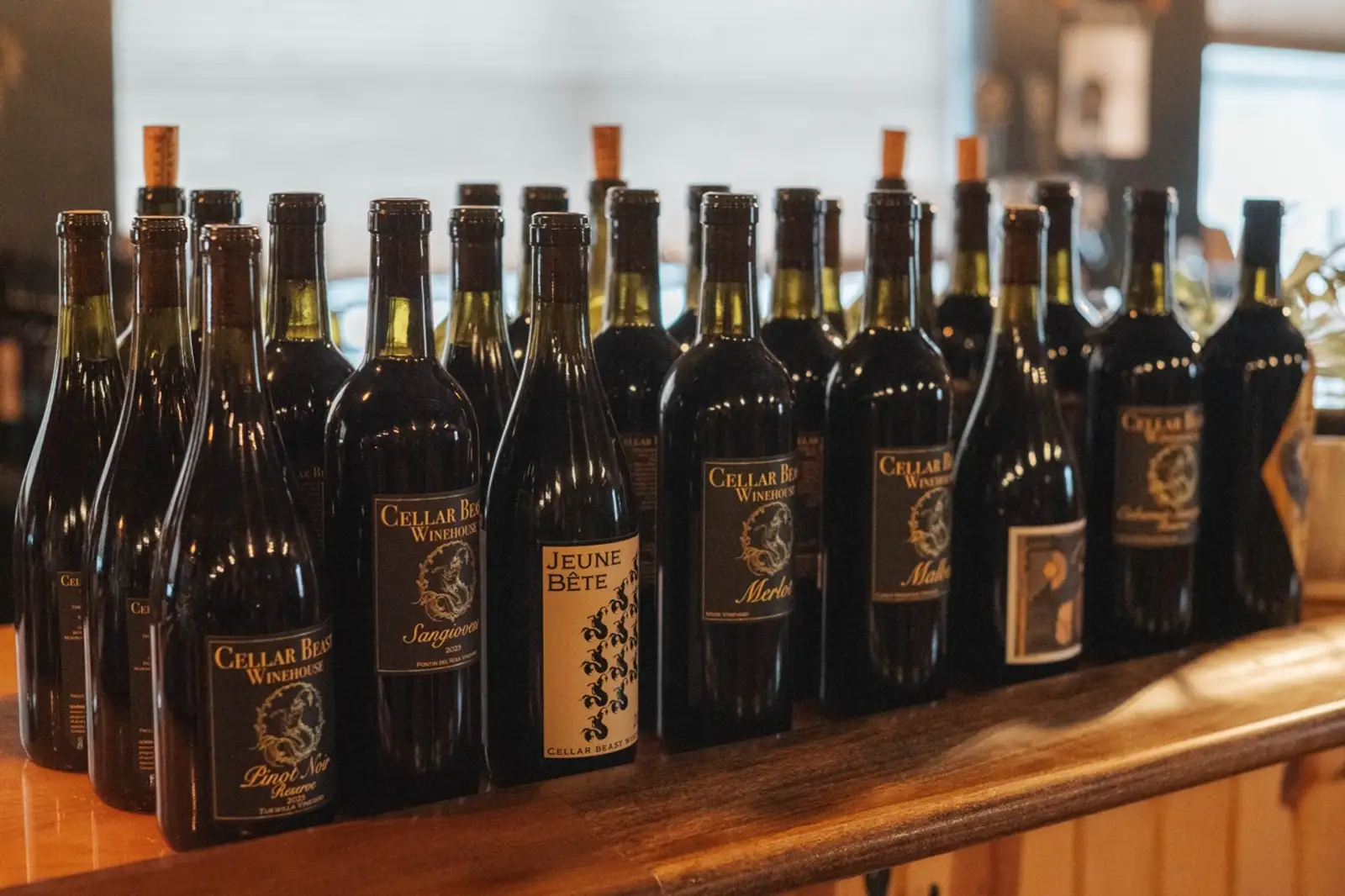
At Cellar Beast Winehouse, Syrah from Yakima’s Meek Vineyard reveals peppery spice and savory earth tones, balanced by dark plum and graphite depth. Malbec from Red Mountain’s Shaw/Scooteney Flats and Candy Mountain AVA, by contrast, offers plush blackberry and violet notes with a velvety finish. As Head Winemaker Matt Check explains, “Syrah thrives on structure and spice, while Malbec leans into fruit and finesse.” These two varietals express how Washington’s AVAs can craft Rhône-style intensity and Bordeaux-inspired richness side by side.
Syrah, a grape with peppery flavors and notes of blackberry, is a key varietal in both Old World and New World regions. In the U.S., American Viticultural Areas like the Central Coast, Washington, and Oregon produce exceptional wines with a balance of ripe fruit and savory spice.
- Discover the top U.S. Syrah regions in Exploring Premium Syrah Regions in the U.S.
- Learn more about Syrah's rich history in Syrah Grape Wine.
- Read more about this comparison in Syrah vs. Malbec and about Shiraz Wine here, or Read About Syrah vs. Cabernet Sauvignon here.
- Add Jeune Bete to Cart and Shop Malbec Reserve Online.
Gewürztraminer and Aromatic Whites
For lovers of white grape varietals, Gewürztraminer is an aromatic standout, offering floral notes and hints of lychee. It’s one of the finest examples of how terroir influences a wide variety of white wines, particularly in Germany and the Rhône Valley.
- Learn more in Unveiling Gewürztraminer.
Chardonnay: A Global Star Among White Wines
No discussion of iconic grape varieties is complete without mentioning Chardonnay. This internationally celebrated white grape thrives in diverse wine regions, from France's Burgundy to California's Sonoma Coast and Washington's Yakima Valley. Known for its adaptability and expressive range—from unoaked styles with bright acidity to rich, oak-aged versions with tropical fruit and buttery notes—Chardonnay offers something for every palate.
- To dive deeper into the world of Chardonnay, check out our dedicated article: Exploring the Best Chardonnay Wines from Cellar Beast.
Malbec vs. Cabernet Sauvignon: Power Meets Poise
Cellar Beast’s Malbecs from Red Mountain and Candy Mountain showcase lush fruit, floral aromatics, and smooth tannins, while our Cabernet Sauvignon—from Shaw’s Red Heaven and Quintessence vineyards—delivers commanding structure, black currant depth, and age-worthy elegance. “Cabernet is architecture; Malbec is emotion,” says Matt Check. Together, they define the dual personality of Washington reds—bold yet beautifully balanced, with each vintage shaped by the desert’s warmth and volcanic soils.
- Malbec: Vibrant blackberry and violet with supple tannins; ideal for drinkability within 3–5 years. Read more about Malbec Wine here, and Shop Malbec Wine here.
- Cabernet Sauvignon: Layers of cassis, graphite, and cedar with long-term cellaring potential; the epitome of Washington’s structured reds. Browse the complete guide of Cabernet Sauvignon and check out our Yakima Valley Cabernet Sauvignon.
Petite Sirah vs. Syrah: Depth, Spice, and the Washington Difference
At Cellar Beast Winehouse, Syrah from Yakima’s Meek Vineyard showcases savory black pepper, cured olive, and smoky depth—our Rhône-style hallmark. Petite Sirah from Horse Heaven Hills’ Agape Vineyard, on the other hand, delivers inky concentration, blueberry intensity, and firm tannins shaped by limestone-rich soils and desert sun. As Head Winemaker Matt Check notes, “Syrah is all about finesse and spice; Petite Sirah is pure muscle and midnight fruit.” Together, they reveal how Washington terroir balances Old World nuance with New World boldness
- Read more about Petite Sirah here.
- Learn about the Differences Between Petite Sirah and Syrah here.
Regional Highlights: Lesser-Known Wine Regions
Washington Wines and Red Mountain AVA
Washington State has bold, fruit-forward reds and vibrant whites like Chenin Blanc and Sauvignon Blanc. The Red Mountain AVA stands out for producing wine grape varieties with deep color, balanced tannin levels, and exceptional aging potential within the state.
- Learn more in Washington Wines and Red Mountain AVA: Washington’s Premier Red Wine Jewel.
Washington Meets Tuscany: The Cellar Beast Sangiovese Story
At Cellar Beast Winehouse, our Sangiovese from Yakima Valley’s Pontin del Roza Vineyard bridges Tuscan tradition and Pacific Northwest innovation. The warm days and cool nights of central Washington mirror the Mediterranean rhythm that gives Sangiovese its balance of cherry brightness and savory depth. As Head Winemaker Matt Check explains, “We let the vineyard speak—aging gently in neutral French oak so that the fruit and minerality stay pure.”
This philosophy results in a Sangiovese that’s bright, structured, and unmistakably Cellar Beast—an Old World soul reborn in New World terroir.
- Read about the Best Sangiovese Wines here.
Primitivo and Zinfandel: A Tale of Two Regions
Primitivo and Zinfandel are genetically identical but have developed distinct identities shaped by their respective regions and winemaking styles. In Italy, Primitivo thrives in the warm, sun-drenched vineyards of Puglia, producing bold wines with notes of black fruits, hints of spice, and rich tannins. Meanwhile, in the U.S., Zinfandel flourishes in regions like California’s Central Coast and Sonoma County, where it expresses ripe raspberry, blackberry jam, and a touch of sweetness.
- Primitivo: Known for its structured wines, Primitivo often showcases flavors of dark cherry, earthy tones, and herbaceous aromas. Its home in Puglia’s calcareous soils contributes to its mineral complexity.
- Zinfandel: In contrast, Zinfandel leans toward fruit-forward, plush textures, particularly when sourced from Old Vines in warmer climates like Amador County or Lodi. Shop Zinfandel Wine Online here.
Primitivo and Zinfandel may share a genetic origin, but their regional wines highlight how terroir and winemaking traditions create two distinctive styles.
Discover more about this fascinating grape in Primitivo Zinfandel Wine.

The Role of Terroir in Pairing
Terroir doesn’t just influence flavor—it plays a critical role in pairing wine with food:
- A Cabernet Sauvignon from Napa, aged in oak barrels, complements aged cheeses and meat dishes beautifully.
- A Sauvignon Blanc with its refreshing acidity pairs well with Asian dishes and seafood.
- A Pinot Noir from Oregon balances earthy tones in mushroom risotto and roast chicken.
For pairing ideas, explore Merlot Wine.
Exploring a Case of Wine
Purchasing a case of wine is more than just stocking up—it's an opportunity to explore different varietals, vintages, and regions while often saving money. Whether you're curating a selection for aging, hosting a tasting, or simply ensuring you have the perfect bottle for any occasion, buying by the case allows for greater versatility and value.
Discover tips on selecting the best wines for your collection in Case of Wine: Exploring Varietals & Regions.
Final Thoughts: Celebrating Wine Diversity
The world of wine offers endless grape varietals, regions, and styles. Whether you’re drawn to the bright acidity of Sauvignon Blanc, Cabernet Sauvignon's depth, or Pinot Noir's aromatics, understanding the relationship between terroir and variety of grape is the key to appreciating varietal wine.
Would you be ready to discover more? Visit Wine Insights to explore a wide variety of articles on the world’s finest wines.
About the Author: Matt Check
Matt Check is the Head Winemaker and Co-Founder of Cellar Beast Winehouse, bringing over a decade of experience in the wine industry. His formal training as a Level IV Sommelier at the Wine School of Philadelphia, combined with his extensive background in winemaking, positions him as a leading authority on wine varietals and regions. Matt's deep understanding of terroir and his relationships with premium West Coast growers in major wine regions, such as Red Mountain and Willamette Valley, enable him to craft wines that authentically reflect their origins. His passion for wine education and history further enriches his insights, making him exceptionally qualified to guide readers through the intricate world of wine.