Torn between Chardonnay and Sauvignon Blanc? These two white wine powerhouses offer distinct aromas, flavors, and food pairings that can totally transform your meal. Understanding their differences can help you pick the perfect bottle for any occasion. Chardonnay is known for its creamy texture and rich flavors, while Sauvignon Blanc is celebrated for its crisp acidity and vibrant notes.
In this guide, we’ll quickly show you how to tell them apart by taste, texture, and food pairings so you can order confidently in under 30 seconds. Whether you’re a seasoned connoisseur or a casual drinker, this comparison will help you understand which wine is right for your next meal or occasion. Learn more about Wine Varietals here.
Quick Comparison Chart – Chardonnay vs. Sauvignon Blanc
Need a fast breakdown of Chardonnay vs. Sauvignon Blanc? Use this cheat sheet to compare their flavor profiles, body, and best food pairings at a glance.
.webp)
Taste and Flavor Profiles
- Chardonnay: Expect tropical fruit flavors like banana and pineapple, especially from warmer climates. Aging in oak barrels can add vanilla and buttery notes through Malolactic fermentation.
- Sauvignon Blanc: Known for citrus and green apple flavors, often featuring herbaceous notes like bell pepper, especially from cooler climates. Typically aged in stainless steel tanks for a crisp taste.
Prefer zesty and herbaceous whites? Explore our Sauvignon Blanc.
Body and Acidity
- Chardonnay: Medium to full-bodied, with a creamy texture. Often paired with creamy sauces and dishes.
- Sauvignon Blanc: Light to medium-bodied. Its high acidity makes it a refreshing choice and pairs well with seafood and salads.
Choosing between the two depends on your taste preferences and food pairing needs. Happy sipping!
What is Chardonnay?
Not sure if you should reach for Chardonnay? Here’s how it actually behaves in the glass.
Flavor Profile:
Chardonnay often tastes buttery with hints of vanilla, apple, pear, and stone fruits. The winemaking style usually determines this rich array of flavors.
Winemaking Styles:
Chardonnay can be oaked or unoaked. Oaked varieties gain their buttery and vanilla notes from aging in oak barrels, while unoaked Chardonnay is crisper and more fruit-forward.
Regions:
Chardonnay flourishes in diverse regions like France's Burgundy, Washington, California, and Australia. Each brings its own twist to the wine's character.
Food Pairing:
This wine pairs beautifully with cream-based sauces, seafood, and roasted chicken. Its versatile nature makes it an excellent choice for various dishes. Learn more about Food and Wine Pairings here.
For more on the best Chardonnay regions and tasting notes, check out our Cellar Beast Chardonnay and Cellar Beast Chardonnay Reserve collection!
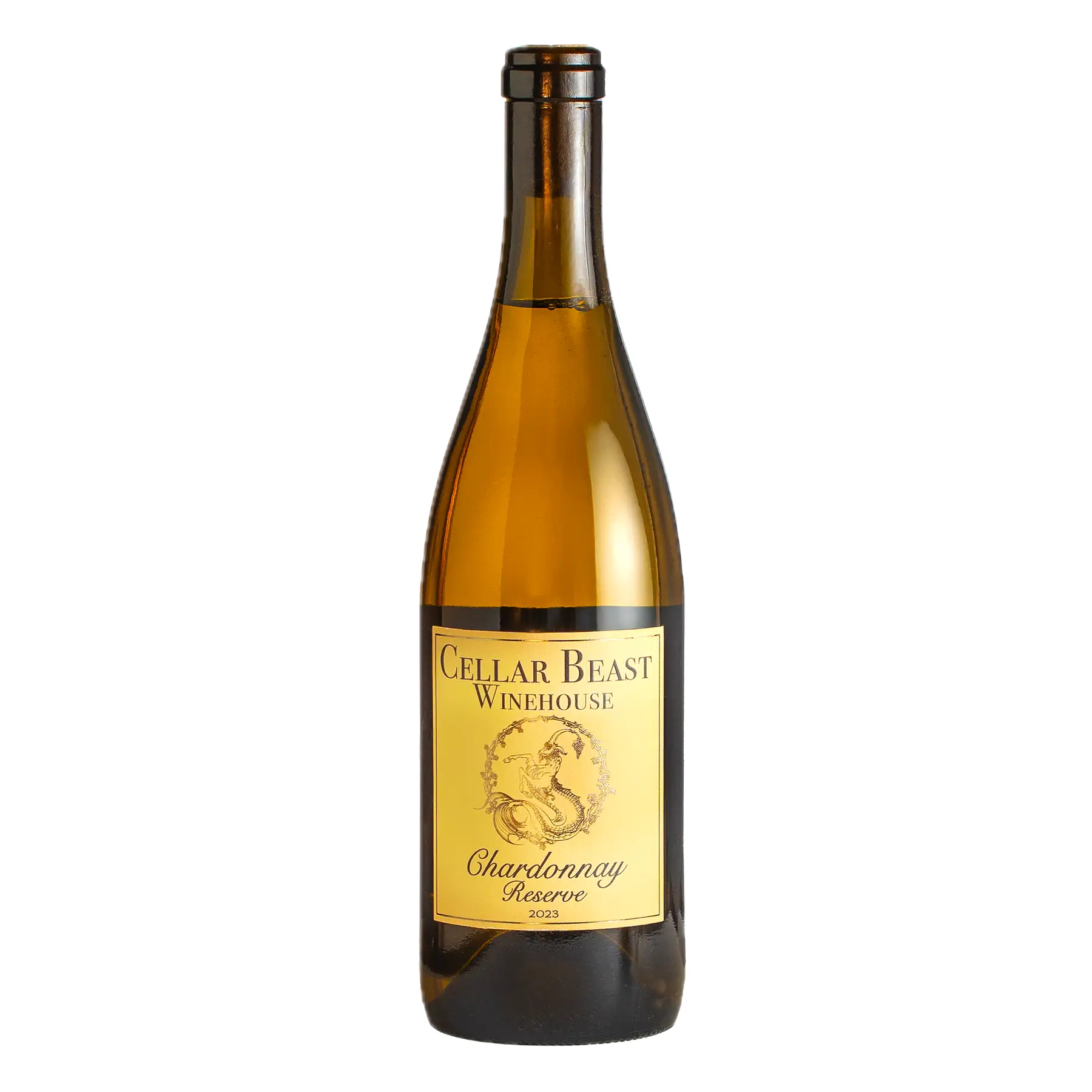
Yakima Valley, WA
What Is Sauvignon Blanc?
Have you ever wondered, "What is Sauvignon Blanc?" This white wine is known for its high acidity and crisp, zesty flavors. This style of wine predominantly features citrus and grassy notes with a hint of tropical fruit.
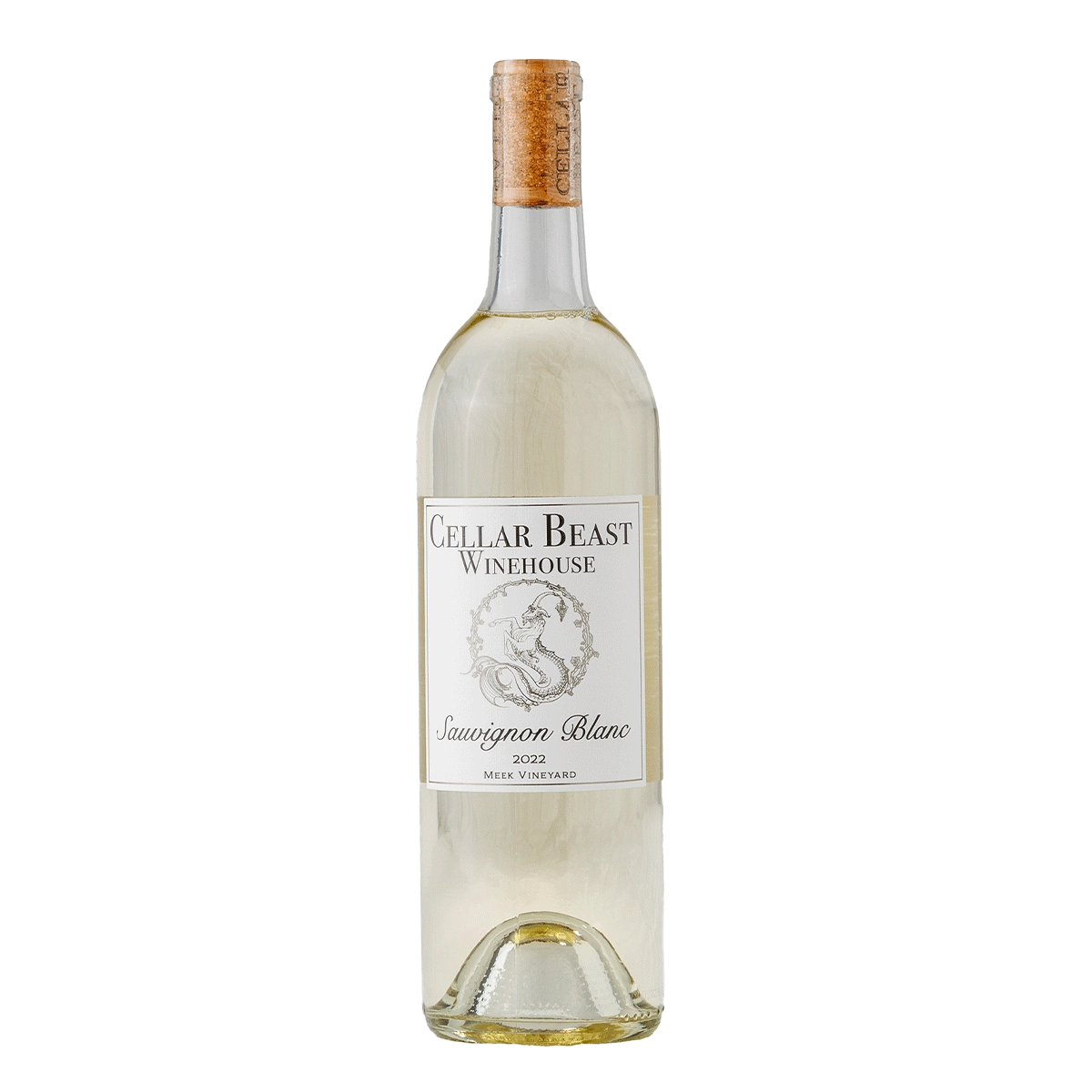
Columbia Valley, WA
Characteristics of Sauvignon Blanc:
- Flavor Profile: High acidity, citrusy, and herbaceous with tropical fruit undertones.
- Winemaking Styles: Often unoaked, producing a fresh and vibrant taste.
- Key Wine Regions: France's Loire Valley, Washington, New Zealand, and California are prominent producers, typically in cooler climates.
Food Pairings:
According to Wine Enthusiast, Sauvignon Blanc pairs excellently with goat cheese, fresh salads, and shellfish. Its herbaceous notes enhance the flavors of light, fresh dishes. Learn more about Food and Wine Pairings here.
Curious about trying a bottle? Check out Cellar Beast Sauvignon Blanc from Yakima Valley in Washington State for an invigorating experience. Whether you're a wine beginner or an enthusiast, this white wine offers a refreshing choice.
Key Differences Between Chardonnay and Sauvignon Blanc
These two popular white wines have distinct characteristics that elevate your dining experience or enhance your casual sipping.
Flavor & Aroma
Chardonnay offers a rich, creamy profile with notes of vanilla and oak. Often referred to as a "buttery Chardonnay," this wine is known for its warm and complex characteristics. On the other hand, Sauv Blanc is all about being crisp, zesty, and bright. Wine Spectator notes that you can expect flavors like tropical fruits and that distinctive grassy aroma. Think of it as a "zesty Sauv Blanc" with invigorating elements.
Acidity & Sweetness Levels
Chardonnay typically has medium acidity, providing a smooth mouthfeel that many find pleasing. The creamy texture often suggests roundness rather than sweetness, but it's not classified as sweet. Sauv Blanc, conversely, boasts high acidity, delivering a refreshing citrus bite. It often feels drier and sharper on the palate. Many wonder, "Is Chardonnay sweeter than Sauvignon Blanc?" The answer is no; both are generally dry wines.
Best Food Pairings for Each Wine
Both wines have distinctive pairings that highlight their flavors.
Chardonnay:
- Pairs well with creamy sauces and poultry dishes.
- Complements grilled fish and pasta with light cream sauces.
- Enhances the taste of soft cheeses like Brie and Camembert.
Sauvignon Blanc:
- Perfect for goat cheese, fresh salads, and shellfish.
- Great with white meats and dishes featuring herbs like parsley and cilantro.
- Lovely alongside sushi and light seafood dishes.
Sauvignon Blanc & Chardonnay Pairing Guide

In summary, whether you're seeking the buttery nuances of a warm-climate Chardonnay or the crisp zing of a cool-climate Sauvignon Blanc, both have their rightful place in your wine repertoire. Happy tasting!
Looking for something more aromatic? Try our Gewürztraminer.
Which White Wine Should You Choose?
Still debating which white wine to pour tonight? Here’s how to decide between creamy Chardonnay and zesty Sauvignon Blanc based on your taste preferences and the dishes you’re serving.
Choose Chardonnay if you love rich, creamy, full-bodied white wines. Typically aged in oak barrels, these wines have flavors of tropical fruits, like pineapple and mango, thanks to warm climate vineyards. Malolactic fermentation gives Chardonnay its characteristic buttery taste, which is ideal for pairing with creamy sauces and hearty dishes.
Choose Sauvignon Blanc if you prefer bright, citrusy, high-acid wines. Known for its stainless steel tank aging, Sauvignon Blanc offers a refreshing zing with flavors of green apples and passion fruit. This wine's herbaceous notes, such as green peppers, make it perfect for pairing with lighter fare and dishes featuring fresh herbs.
Explore Cellar Beast’s Chardonnay and Cellar Beast's Sauvignon Blanc selections to find your perfect match. Continue reading about Pinot Gris vs Pinot Grigio in this recent blog post.
About the Author: Aaron Gratch
As a Winemaker and Andreas Tasting Room Manager at Cellar Beast Winehouse, Aaron Gratch combines hands-on winemaking expertise with a passion for wine education. His deep understanding of fermentation techniques, aging methods, and regional influences makes him uniquely qualified to compare Chardonnay and Sauvignon Blanc. Engaging daily with wine lovers, he expertly guides guests through the nuances of white wines, helping them discover ideal pairings and personal preferences. With his insider perspective, Aaron makes wine approachable, ensuring every sip and every guided wine tasting is an experience and an education.