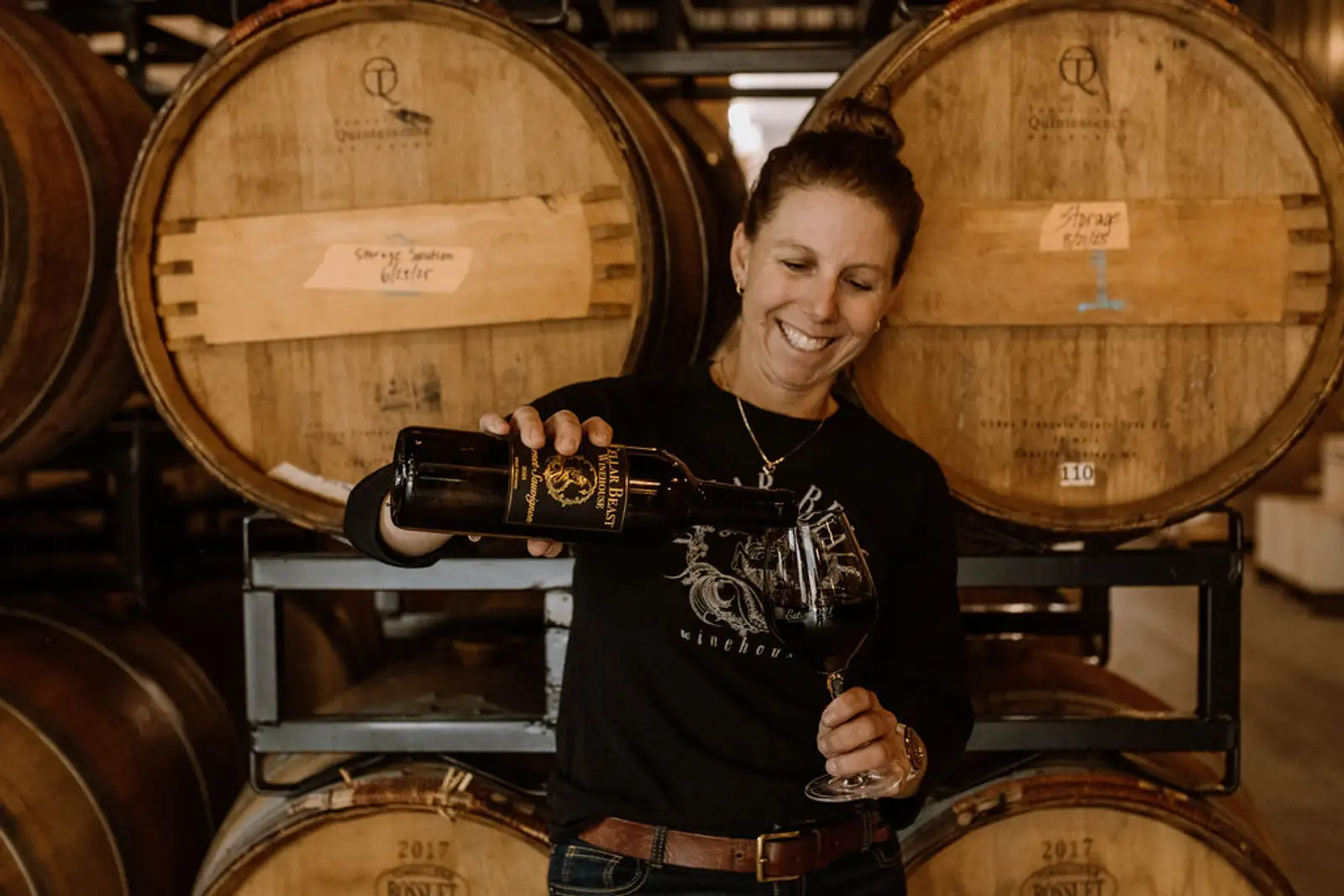
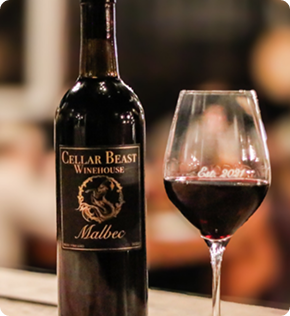
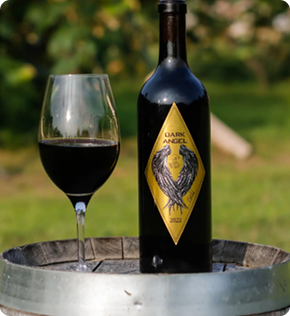
Matt Check is the Head Winemaker and Co-Founder of Cellar Beast Winehouse, with over a decade of expertise spanning winemaking, sommelier training, and wine education. A certified Level IV Sommelier from the Wine School of Philadelphia, Matt’s dedication to crafting exceptional wines shines through his ability to blend traditional techniques with innovative approaches. Matt has built deep connections with premier vineyards across top AVAs like Red Mountain and Willamette Valley, sourcing world-class fruit to create terroir-driven wines. His critically acclaimed creations, such as The Dark Angel (97 points, Sunset International Wine Competition), exemplify his commitment to precision and artistry. Beyond winemaking, Matt is a passionate wine educator and industry-respected author. With his extensive background in blind tastings, wine pairing, and wine program design, he brings unparalleled insight into each vintage. From California to Chile, his work celebrates the diversity and richness of global wine regions. Discover the craftsmanship and innovation behind Matt’s award-winning wines at Cellar Beast Winehouse.
Sauvignon Blanc is one of the most popular white varieties worldwide because of its refreshing taste and endless variety. Let’s learn more about this fascinating white grape, its history, distinctive characteristics, and varietal palette. Whether you are a dry wine beginner or an experienced wine consumer, there’s always more to discover about this dynamic grape variety.
Sauvignon Blanc originated in France’s infamous Loire Valley, which grows admirably in its cool climate and limestone soils. Places like Sancerre and Pouilly-Fumé have long associated this grape with its flinty aromas and citrusy notes, which pair well with delicate, mineralized wines.
But it’s not over in France. The grape has traveled the world, settling in places such as New Zealand, where its wild tropical Marlborough wines redefined the refreshing wine grape’s national character. Often made in California (Napa Valley in particular), winemakers create more rounded versions that tend to be aged in oak barrels. Chile, South Africa, and Australia have followed suit, bringing distinctive regional styles to the global fabric of wine.
Sauvignon Blanc’s appeal is a light, vibrant acidity, which makes it a crisp, refreshing, and approachable wine. The grape possesses an aromatic palette that is varied and can include:
Herbaceous notes freshly cut grass, green bell pepper, and basil.
Citrus notes and tropical fruits, including lime, grapefruit, gooseberry, passionfruit, and pineapple.
Mineral undertones, especially in Old World styles, give richness and grace.
Such freshness, complexity, and versatile nature make Sauvignon Blanc the top option for wine lovers searching for something fresh but complex.
Sauvignon Blanc vs. Chardonnay: How to Tell Them Apart
Though both Sauvignon Blanc and Chardonnay are popular white wines, they couldn’t be more different in flavor and style. Here’s how to distinguish them:
Characteristic
Sauvignon Blanc
Chardonnay
Acidity
Bright acidity, zesty and crisp
Moderate to low acidity, rounder
Flavors
Green apple, lime, grass, gooseberry
Apple, pear, tropical fruit, butter
Texture
Light-bodied, refreshing
Medium to full-bodied, creamy
Winemaking
Often unoaked, emphasizing
freshness.
Frequently oaked, adding richness.
If you enjoy vibrant, aromatic wines, Sauvignon Blanc might be your preference. Chardonnay could be the way to go for those who favor a fuller, smoother style.
The Sauvignon Blanc Style Spectrum: Crisp and Dry to Rich and Oaky
This is a virtue of Sauvignon Blanc's flexibility in any winemaking style. This leaves a very diverse range of styles:
Crisp and Dry: The old style, especially in New Zealand and Sancerre, emphasizes acidity and fresh fruit flavors. These bright wines are typically fermented in stainless steel to keep their pristine, snappy essence.
Rich and Textured: Some winemakers, in California and Bordeaux specifically, ferment Sauv Blanc in oak casks. This adds vanilla, cream, and spice notes that finish off the wine’s body and give it a more sophisticated feel.
Blended Styles: Sauvignon Blanc is often blended with Sémillon in Bordeaux to produce more affluent whites that can be aged. These wines combine Sauvignon Blanc’s acidity and Sémillon’s structure.
Understanding the style spectrum allows you to select a Sauvignon Blanc that perfectly matches your mood, meal, or occasion.
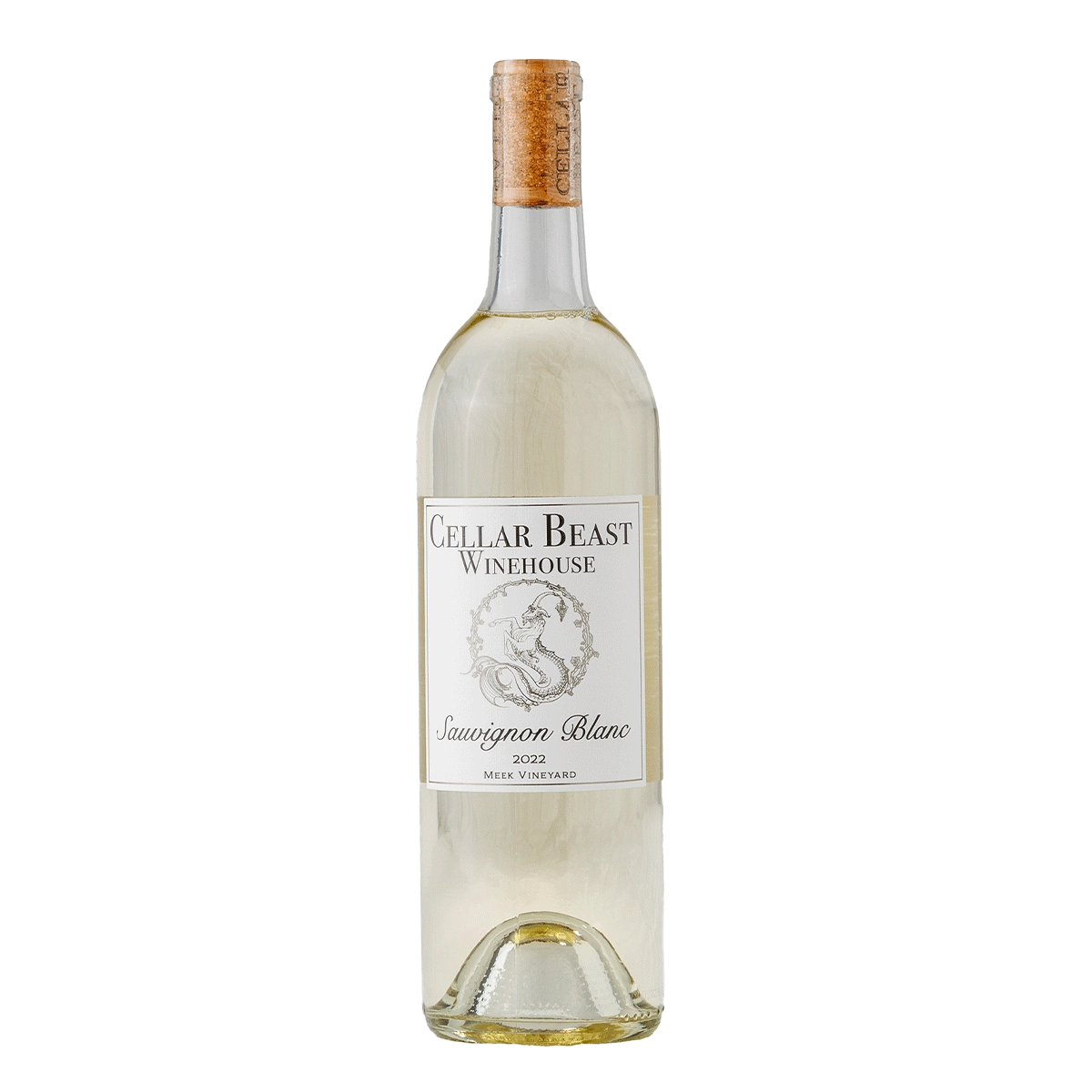
2022 Sauvignon Blanc
Columbia Valley, WA
Major Wine Regions: Terroir, Climate, and Flavor Profiles
1. Sancerre, France (Loire Valley)
Terroir and Climate: Sauvignon Blanc originated in the Loire Valley, specifically Sancerre. The soils are limestone, flint (silex), and clay. The continental cool makes it long and hot enough to give the grapes their acidity and nuances.
Flavor Profile: The wines of Sancerre are famous for their minerality, and you will find flint, green apple flavors, citrus flavors, white flowers, and just a hint of herbs in this wine. The wines are bright, clean, and elegant, sometimes with a smoky or chalky finish from the limestone soils.
2. Marlborough, New Zealand
Terroir and Climate: Marlborough’s clayey, alluvial soils and bright marine climate are perfect for Sauvignon Blanc. Cool days and nights create an acidic wine that allows full-bodied fruit notes to unfold.
Flavor Profile: Marlborough Sauvignon Blancs are wild and tangy, with big passion fruit, pink grapefruit flavors, gooseberry, and freshly cut grass flavors. The fruitiness is typically bitter and mildly tropical, distinguishing them from Old World wines.
3. Napa Valley, California, USA
Terroir and Climate: In Napa Valley, Sauvignon Blanc thrives on a warm Mediterranean climate with chilly winds from the Pacific Ocean and San Pablo Bay. The diverse soils, from gravelly loam to volcanic ash, lend complexity to the wines.
Flavor Profile: Napa Sauvignon Blancs can be both light and spicy and full and oaky. Unoaked tends to have lemon, lime, and melon flavors, but with oak, it has vanilla, cream, and toasted almond notes, giving it a fuller mouthfeel.
4. Washington State, USA
Terroir and Climate: Eastern Washington, especially the Columbia Valley, is sunny and dry with significant diurnal variations (hot days and cool nights). The soils are sandy and nutrient-rich, limiting vine growth and locking in flavors.
Flavor Profile: Washington’s Sauvignon Blancs temper the bright acidity of cool climates with just enough ripeness and fullness, offering a taste of pear, lime, guava, minerals, and herbaceous flavors.
Terroir and Climate: Bordeaux has a maritime climate balanced by the Gironde estuary and the Atlantic Ocean. The soils of the area are primarily gravelly and well-drained. Here, you’ll find Sauv Blanc blended with Sémillon and Muscadelle.
Flavor Profile: Bordeaux Blanc wines are characterized by a refreshing, green apple aroma and a mellower mouthfeel due to their blend with Sémillon. The oak matures naturally, imparting toast, white flowers, honey, and vanilla. These wines tend to be more opulent than Sancerre.
6. South Africa
Terroir and Climate: South Africa’s Sauvignon Blanc is grown on cool coastal sites such as Elgin and Constantia, where Atlantic Ocean breezes temper the warm temperatures. The soils are a mix of granite, sandstone, and shale.
Flavor Profile: South African Sauvignon Blancs are herbaceous, gooseberry, lime, and green pepper-scented. Oceanic influences can leave a slightly salty or mineral finish.
7. Chile
Terroir and Climate: Coast regions such as Casablanca and San Antonio Valleys have cold, cloudy mornings and warm afternoons, which are great for aromatic whites. The terrain is composed of clay and granite and provides water and minerals.
Flavor Profile: Chilean Sauvignon Blancs tend to be pronounced by fresh citrus, tropical, and bay leaf herb aromas. They have sharp acidity with just enough creaminess to capture the cool climate’s cooling influence.
Best Sauvignon Blanc — FAQ
What defines the best sauvignon blanc?
The best Sauvignon Blanc offers bright acidity, vivid aromatics, and clean, expressive fruit. Look for layers of citrus, herbs, and minerality that stay crisp and refreshing. Balance and clarity are key elements in identifying the best Sauvignon Blanc.
Which regions produce the best sauvignon blanc?
New Zealand’s Marlborough region is famous for some of the best Sauvignon Blanc, known for bold aromatics. France’s Loire Valley delivers refined, mineral-driven examples, while California showcases warmer, fruit-forward styles. Exploring these areas helps you find your personal best Sauvignon Blanc.
What foods pair well with the best sauvignon blanc?
The best Sauvignon Blanc pairs beautifully with seafood, salads, goat cheese, and herb-forward dishes. Its acidity cuts through richness while elevating fresh flavors. These pairing strengths make the best Sauvignon Blanc extremely versatile at the table.
Is the best sauvignon blanc usually dry?
Yes—most of the best Sauvignon Blanc wines are dry, offering crisp, refreshing structure. Some regions craft slightly off-dry versions for added roundness and balance. Checking the producer’s notes can help you choose the style of best Sauvignon Blanc you prefer.
How should I serve the best sauvignon blanc?
The best Sauvignon Blanc is served chilled, around 45–50°F, to highlight its citrusy, herbal aromatics. Cooler temperatures enhance freshness without muting complexity. Proper serving ensures you fully enjoy the vibrancy of the best Sauvignon Blanc.
Does the best sauvignon blanc age well?
Most of the best Sauvignon Blanc is crafted for youthful drinking, showcasing lively fruit and aromatics. However, select oak-aged or high-end Loire Valley examples can develop deeper nuance with age. Still, freshness is typically the hallmark of the best Sauvignon Blanc.
Conclusion
It’s a testament to how lasting the Sauvignon Blanc has become, from the Loire Valley to the wine glasses of the world. Its signature features — acidity, depth of smell, and stylistic flexibility — make it a versatile white wine for various palates. A Sauvignon Blanc is out there to impress your palate, whether it’s a clean Sancerre, a mighty Marlborough variety with passionfruit flavors, or a decadent Napa Valley oak-aged style.
Cheers to discovering this timeless varietal in all its glorious forms!
About the Author
Matt Check — Head Winemaker, Cellar Beast Winehouse
Matt Check is the creative force behind Cellar Beast Winehouse, where he blends Old World elegance with Pacific Northwest precision. As Head Winemaker, Matt oversees every detail from vineyard sourcing to barrel aging, ensuring each bottle reflects both terroir and craft.
Drawing from experience across Washington’s Yakima Valley, Oregon’s Dundee Hills, and California’s Central Coast, Matt’s approach to Sauvignon Blanc emphasizes minerality, tension, and purity of fruit. His philosophy: “Let the vineyard speak first—then refine the story in the cellar.”
When not in production, Matt leads blending sessions, sensory training, and educational tastings that connect guests to the craft behind the glass. His work defines Cellar Beast’s evolving signature—structured, expressive wines that balance power with poise.
Matt Check is the Head Winemaker and Co-Founder of Cellar Beast Winehouse, with over a decade of expertise spanning winemaking, sommelier training, and wine education. A certified Level IV Sommelier from the Wine School of Philadelphia, Matt’s dedication to crafting exceptional wines shines through his ability to blend traditional techniques with innovative approaches. Matt has built deep connections with premier vineyards across top AVAs like Red Mountain and Willamette Valley, sourcing world-class fruit to create terroir-driven wines. His critically acclaimed creations, such as The Dark Angel (97 points, Sunset International Wine Competition), exemplify his commitment to precision and artistry. Beyond winemaking, Matt is a passionate wine educator and industry-respected author. With his extensive background in blind tastings, wine pairing, and wine program design, he brings unparalleled insight into each vintage. From California to Chile, his work celebrates the diversity and richness of global wine regions. Discover the craftsmanship and innovation behind Matt’s award-winning wines at Cellar Beast Winehouse.








.svg)
.svg)