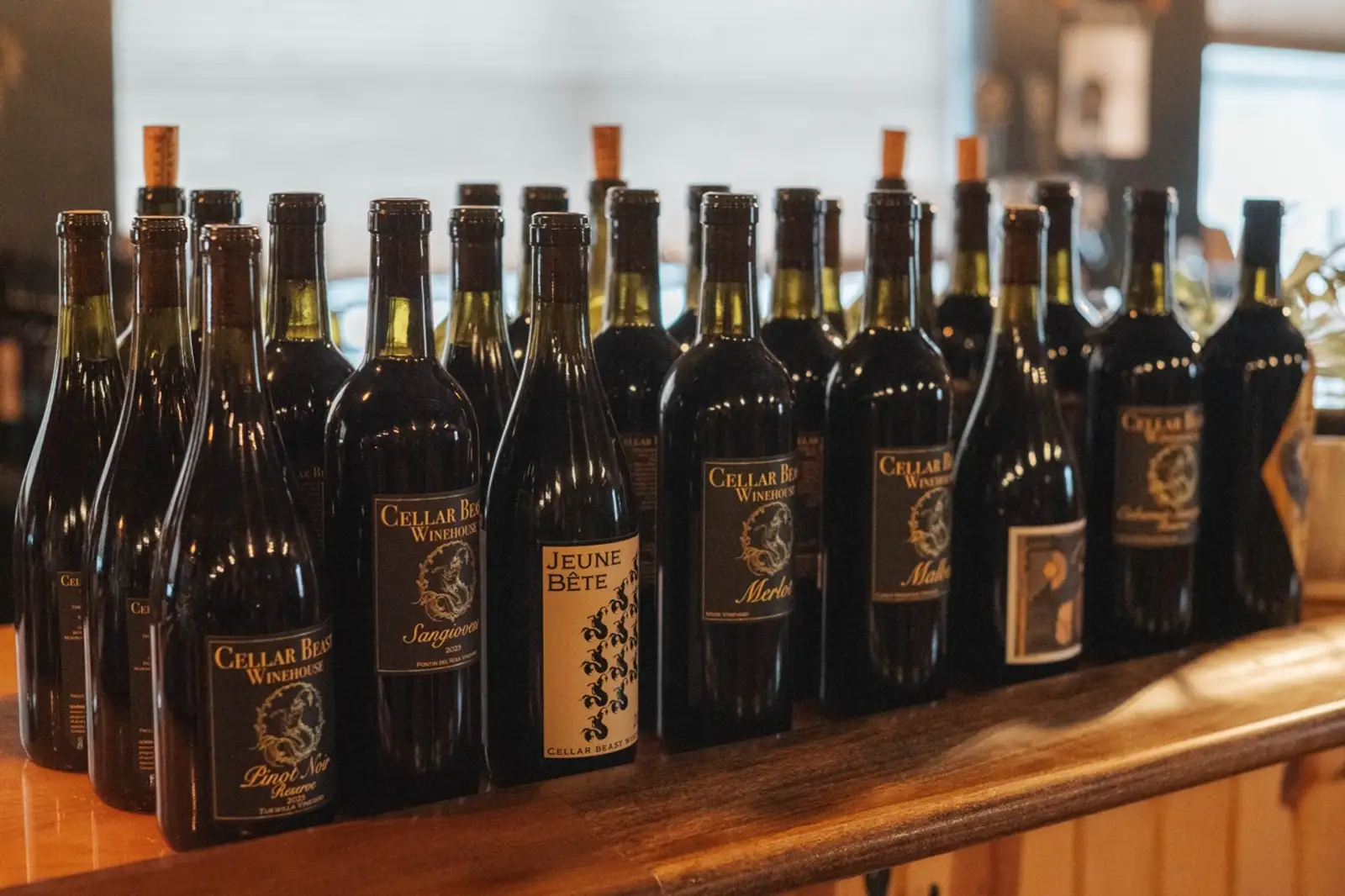
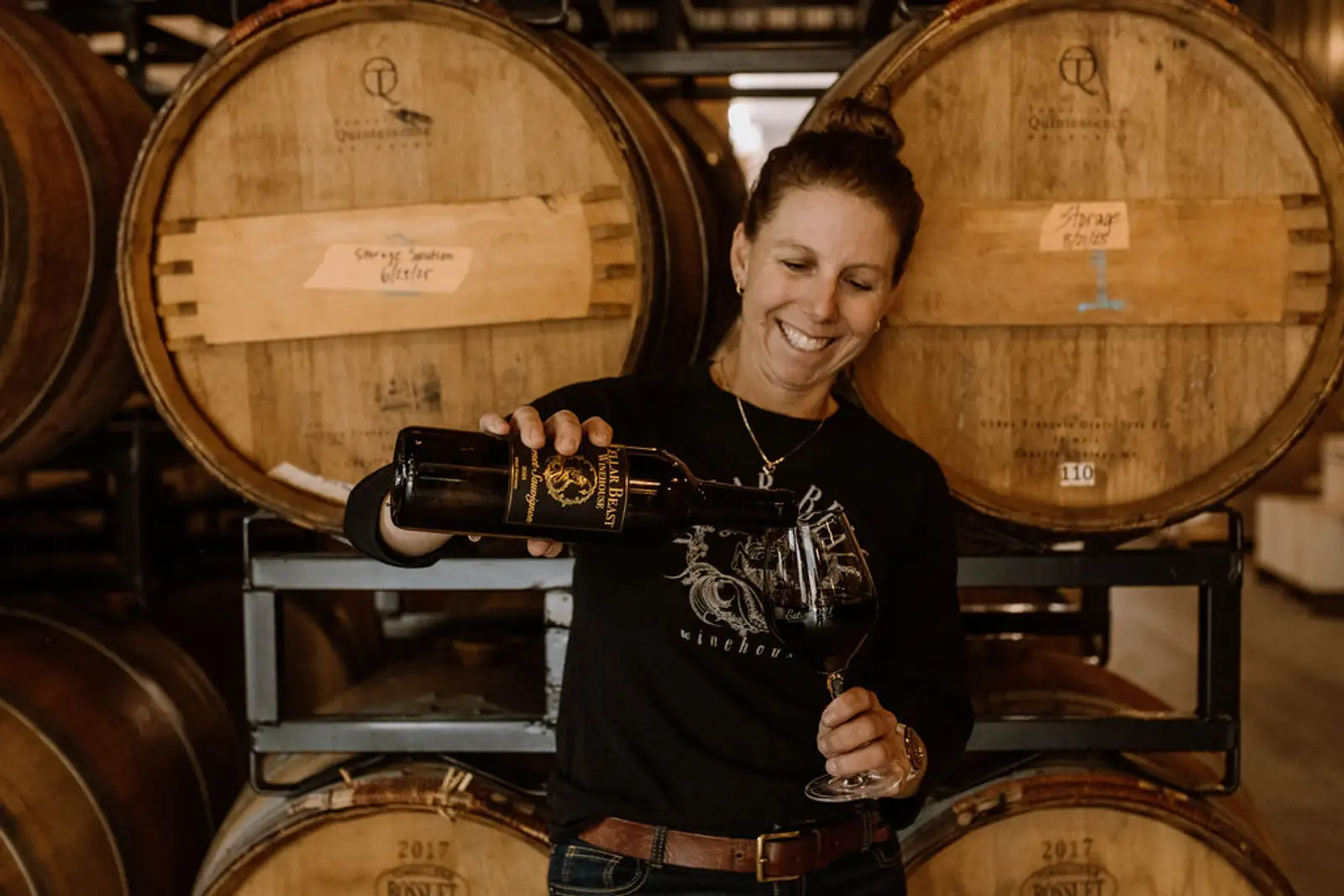
When choosing between Pinot Noir and Cabernet Sauvignon, the key differences are body type, tannin content, and acidity levels. Pinot is a light-bodied wine with delicate aromas of black cherry, floral notes, and earthy flavors. At the same time, Cab Sauv is a bold wine with strong tannins, dark fruit flavors, and an affinity for oak aging.
Both varietal wines thrive in different wine regions— Pinot prefers cooler climates like Willamette Valley and Central Otago. In comparison, Cab Sauv excels in warmer climates such as Napa Valley, Aconcagua Valley, and Barossa Valley.
At Cellar Beast, we offer premium small-batch Pinot Noir and the best-of-best Cabernet Sauvignon, crafted for wine lovers who appreciate elegant wines and bold, complex flavors. You can learn more about Wine Varietals and Regions here
Explore Cellar Beast’s exclusive Pinot Noir and Cabernet Sauvignon selections now!

Grape Origins & Characteristics
Pinot Noir: The Delicate Grape
- Origin: Burgundy, France, but now found in Willamette Valley, Russian River Valley, and Central Otago
- Grape Variety: Thin-skinned, making it a delicate wine that thrives in cool climates
- Flavor Profile: Black cherry, bright fruit flavors, earthy notes, and subtle aromas reminiscent of forest floor
- Aging: Typically aged in oak barrels to enhance aroma compounds and delicate flavors
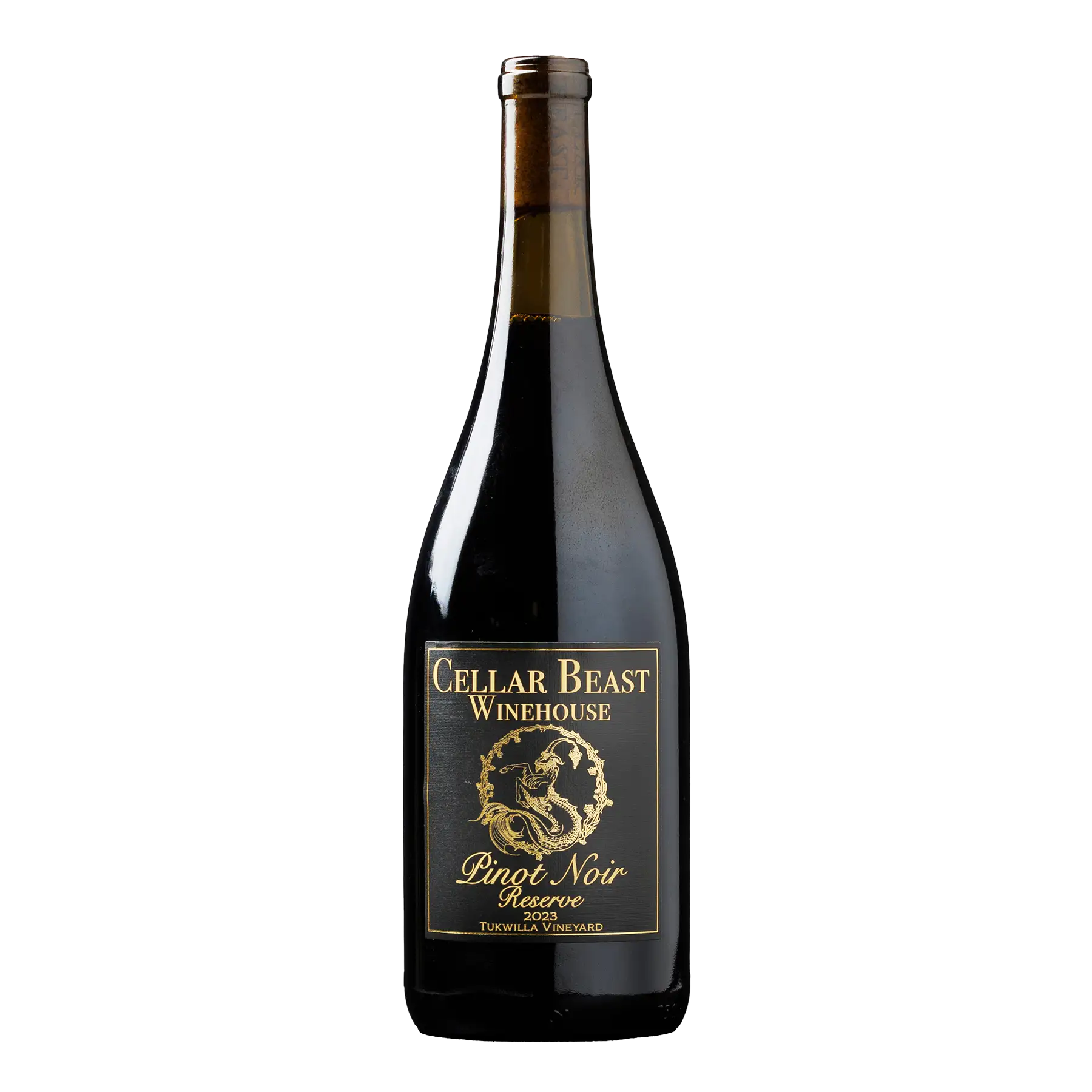
Dundee Hills, Oregon
Cabernet Sauvignon: The Bold Classic
- Origin: Bordeaux, France, now a hallmark of Californian Cabernets from Napa Valley
- Grape Variety: Thicker skins contribute to strong tannins and a renowned tannin taste
- Flavor Profile: Black fruit flavor profile, black pepper, green bell pepper, dark fruit flavors, and rich aromas
- Aging: Aged extensively in oak barrels to develop classic flavors and additional tannins

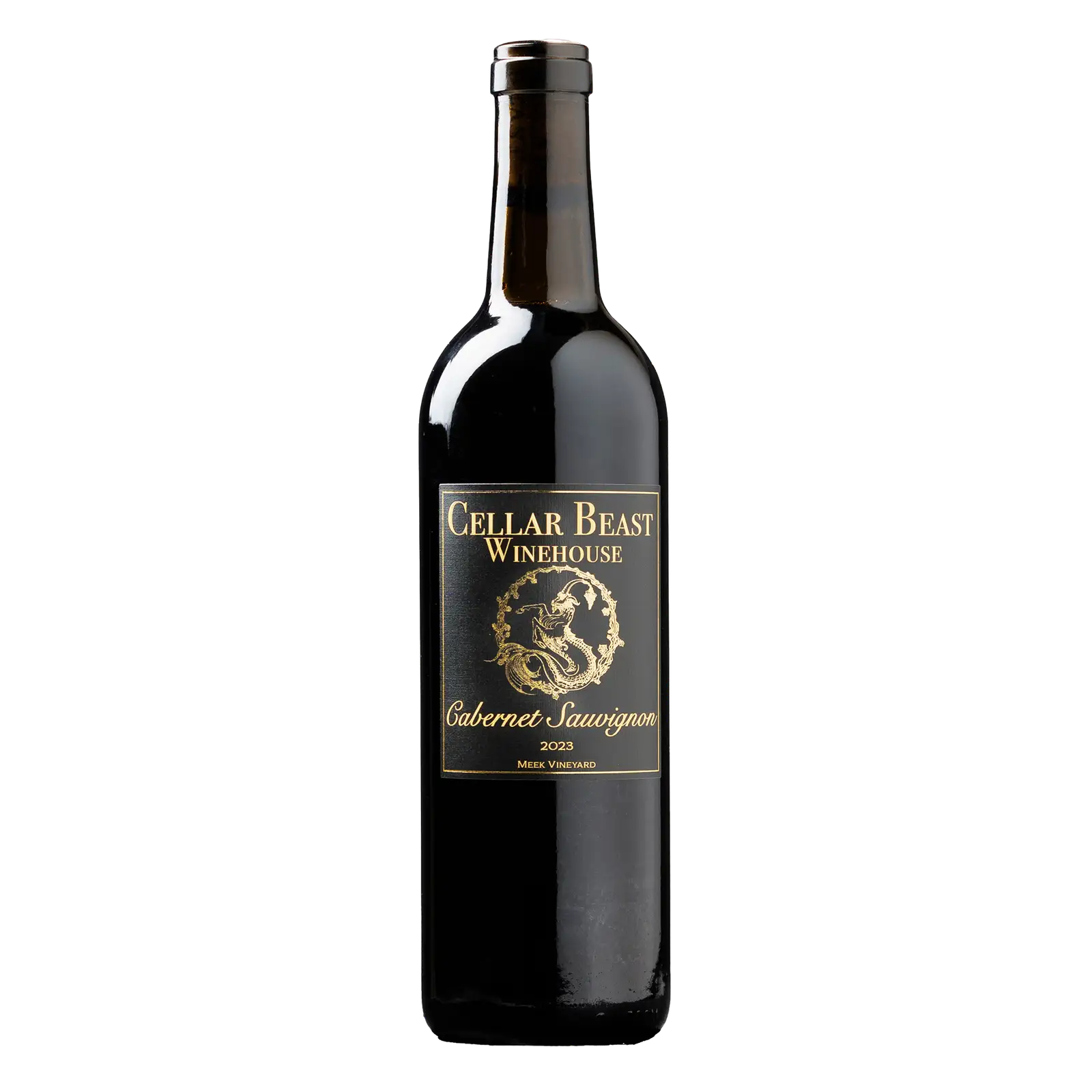
Yakima Valley
Taste & Structure Differences
Body & Tannins
- Pinot Noir → Elegant styles with silky tannins, making it an appealing wine for beginner wine drinkers
- Cabernet Sauvignon → Bold wines with renowned tannin taste, benefiting from aging to soften tannins
Acidity & Alcohol
- Pinot: High acidity levels, making it an excellent wine in terms of food pairing
- Cab Sauv: Higher alcohol content, creating a medium to full-bodied wine
Food Pairing Guide

Aging & Storage
- Pinot Noir: Best aged 5-10 years at 50-55 degrees F (10-13 degrees C), ideal for delicate paletes
- Cabernet Sauvignon: Ages 10-20 years, benefitting from oak barrels and higher tannin content. According to Wine Spectator, its structure makes it ideal for long-term cellaring.
- Storage Tips: Keep at consistent humidity levels to prevent oxidation
Discover our cellar-worthy selections here!
Final Verdict: Which One Should You Choose?
- Choose Pinot Noir if you enjoy elegant wines with bright acidity and delicate aromas
- Choose Cabernet Sauvignon if you prefer bold wines with complex flavors and high tannin content
Explore Cellar Beast’s small-batch Pinot Noir & Cabernet Sauvignon collections today! Also, expore the best red wines in this recent post.l
Have more questions? Join our private wine tasting at Cellar Beast Winehouse!
About the Author
Aaron Gratch is a winemaker and the Andreas Tasting Room Manager at Cellar Beast Winehouse. With a background in professional sommelier training and deep knowledge of wine varietals, he expertly navigates the complexities of wine structure, aging potential, and food pairings. Aaron’s passion for wine education is rooted in both his Italian winemaking heritage and hands-on experience in the cellar and tasting room. His expertise in differentiating grape characteristics and guiding guests through nuanced tasting profiles makes him an ideal voice for exploring the distinctions between Pinot Noir and Cabernet Sauvignon.
Next Reads: When You’re Torn Between Silk and Steel
If you’re comparing Pinot to Cab, your palate is already paying attention. Time to give it a full briefing.
- Best Pinot Noir Wine Guide: Taste, Pairings, Regions & Top Bottles to Try – Understand Pinot on its own terms before you put it next to Cab again.
- Cabernet Sauvignon: The Ultimate Guide to the World’s Favorite Red Wine – The Cab side of the equation, in full detail.
- Pinot Noir vs Merlot: What You Need to Know Before You Buy – See where smoother reds land between Pinot’s elegance and Cab’s intensity.
- Best Light Red Wines to Try in 2025 – For nights when you want Pinot-level lift rather than Cab weight.
- Best Cabernet Sauvignon Wines: Top Washington Picks 2025 – When you decide tonight is definitely a Cab night.
Once you feel the difference, you’ll stop guessing and start choosing on purpose.