By Kim McCullough, Co‑Founder, Cellar Beast Winehouse
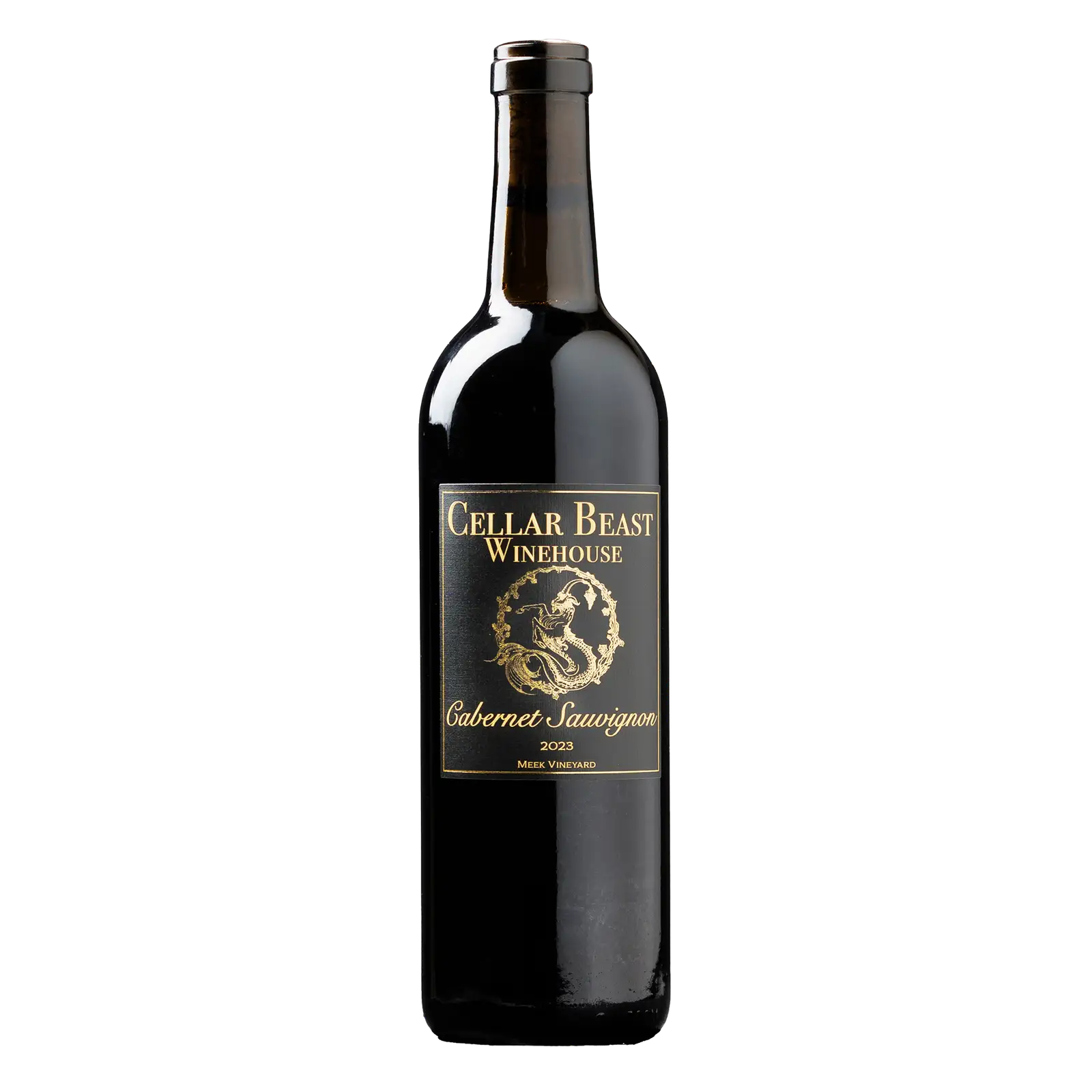
As both a wine lover and a co‑founder of Cellar Beast Winehouse, I’m often asked: what’s the fuss around Pinot Noir versus Cabernet Sauvignon? These two red wine giants—one elegant and light, the other bold and structured—have earned their reputations for good reason. Today, I’ll walk you through their key differences in grape varieties, flavor profile, food pairings, and mouthfeel. By the end, you'll know which to reach for based on your taste, occasion, or culinary pairing—and why our 2023 Cabernet Sauvignon from Yakima Valley deserves a spot in your cart.
Yakima Valley
Grape Characteristics and Growing Regions
The Pinot Noir grape is notoriously delicate, thriving in cooler climates where phenolic content develops gently. Classic wine regions include Burgundy, France, Oregon’s Willamette Valley, California’s Sonoma Coast—especially Russian River Valley—and even New Zealand’s Central Otago.
In contrast, the Cabernet Sauvignon grape demands sun and structure. It flourishes in warmer zones like Napa Valley, Bordeaux, France, Chile's Maipo Valley, Australia’s Barossa Valley and Coonawarra, and notably, Washington’s Yakima Valley and Red Mountain AVA—where our 2023 Cabernet Sauvignon hails from. Growing conditions—from soil type to harvesting periods—shape its bold oak barrel-influenced character and long aging potential.
Flavor Profiles Compared
Pinot Noir delivers a graceful, lighter‑bodied experience—think cherry, raspberry, cranberry, with delicate earthy undertones like mushroom and forest floor, often accentuated with French oak barrels subtly. It’s a light-bodied red wine, smooth and expressive, perfect for those who love nuance.
Cabernet Sauvignon stands in contrast with whole body, assertive tannin levels, and deep black fruit—blackcurrant, dark cherry, black plum—often layered with oak-derived aromas like tobacco, vanilla, cedar, even green bell pepper in cooler terroirs. Our 2023 Cabernet Sauvignon from Yakima Valley shines with spice-accented black cherries and blackberries, supple tannins, and balanced acidity levels; a full-bodied red that blends power with elegance and age-worthy structure.
Food Pairings and Occasions
When it comes to food pairings, choose accordingly:
- Pinot Noir pairs wonderfully with:
- Salmon, tuna, duck, or roast turkey (think Thanksgiving)
- Mushroom risotto and other earthy vegetarian dishes
- Soft cheeses like Brie or goat cheese
- Cabernet Sauvignon pairs beautifully with:
- Grilled steak, lamb, and hearty meat dishes
- Aged cheeses like cheddar, Gouda, and blue cheese
- Mushroom-based dishes that benefit from bold structure
These varietals are perfect for seasonal events—Pinot Noir shines at a fall dinner party or Thanksgiving, while Cabernet Sauvignon is the best red wine for hearty winter meals and cozy nights.
Explore our wine tasting packages and seasonal pairings at Cellar Beast.
Wine Body and Tannins: Which Is Smoother?
Pinot Noir tends to be smoother—low tannin content, medium acidity levels, and light to medium body type. It’s an ideal introduction to red wine for beginners or fans of Pinot Grigio looking to explore reds.
Meanwhile, Cabernet Sauvignon is structured and bold, thanks to grippy tannins and a full body. Yet our Yakima Valley 2023 release offers plush, approachable tannins—making it surprisingly smooth and accessible compared to more austere offerings.
Which Should You Choose?
Here’s a quick comparison to help you decide between Pinot Noir and Cabernet Sauvignon:
- Choose Pinot Noir if you:
- Prefer lighter, elegant, and food-friendly wines
- Enjoy red fruit flavors like cherry and cranberry
- Are pairing with salmon, duck, roast turkey, or mushroom risotto
- Are new to red wines and want a smooth, approachable start
- Appreciate subtle earthy undertones and soft tannins
- Choose Cabernet Sauvignon if you:
- Crave full-bodied, bold, and structured wines
- Love flavors like black currant, dark cherry, and hints of cedar
- Are serving grilled steak, lamb, or aged cheeses
- Want a red wine with firm tannins and long aging potential
- Prefer wines that leave a lasting impression with complexity and depth
Would you need any help deciding? Our 2023 Cabernet Sauvignon from Yakima Valley is a fantastic introduction to bold reds with elegance and balance—available now in our online wine shop with featured Cabernet Sauvignon offers.
Try Both with a Tasting Experience
Not sure which red to commit to? Try both! We offer guided tastings and mixed wine bundles that feature both Pinot and Cabernet side by side. Visit our events page or book a private wine tasting to sample, compare, and find your favorite—plus you can order red wine online while you're there.
Conclusion
Pinot vs Cabernet isn’t about right or wrong—it’s about mood, meal, and moment. Pinot Noir brings finesse, bright acidity, and earthy nuance. Cabernet Sauvignon delivers bold tannins, dark fruit, and long-term promise. If you’re looking to elevate your wine collection—or treat dinner guests—our 2023 Cabernet Sauvignon from Yakima Valley offers Cabernet Sauvignon for sale that’s expressive, balanced, and ready now or years from now.
Please browse our online wine shop today to order red wine online, explore wine tasting packages, or discover our Pinot Noir wine bundle featuring both delights for side‑by‑side comparison. Read more about the history of Cabernet Sauvignon here, and about Wine Varietals and Regions here.
About the Author
Kim McCullough, Co‑Founder of Cellar Beast Winehouse, brings decades of passion for sustainable, terroir‑driven wines directly to your glass. With an intimate understanding of our vineyards, harvest practices, and minimal‑intervention winemaking philosophy, she ensures each bottling—from Pinot Noir to Cabernet Sauvignon—expresses its true character. Kim’s hands‑on involvement from vine to barrel makes her insights as genuine as the wine she helps bring to life.
Cheers to discovering your perfect red—whether it’s the refined Pinot Noir or bold Cabernet Sauvignon! Let our 2023 Yakima Valley Cabernet lead the way.
Next Reads: When You Want a Red Playbook, Not Just a Red Preference
You’ve broken down Pinot vs Cab. Now start building a rotation where both have a role.
- Wine 101: How to Taste Wine Like a Pro – Train your palate so the Pinot vs Cab difference is obvious on the first sip.
- Best Pinot Noir Wine Guide: Taste, Pairings, Regions & Top Bottles to Try – Stock the lighter side of your red lineup properly.
- Cabernet Red Wine Guide: Taste, Pairings & Best Bottles to Buy – Do the same for the Cab side—no random grabs.
- Best Red Wines for Beginners in PA – Smooth & Fruity Picks – On nights when neither Pinot nor Cab needs to be a challenge.
- Exploring the Best Red Wines from Cellar Beast – Build a Cellar Beast red collection that makes sense as a whole, not just bottle by bottle.
Knowing the difference is step one. Buying and pouring, like you know the difference, is step two.