
Our uncompromising commitment to quality
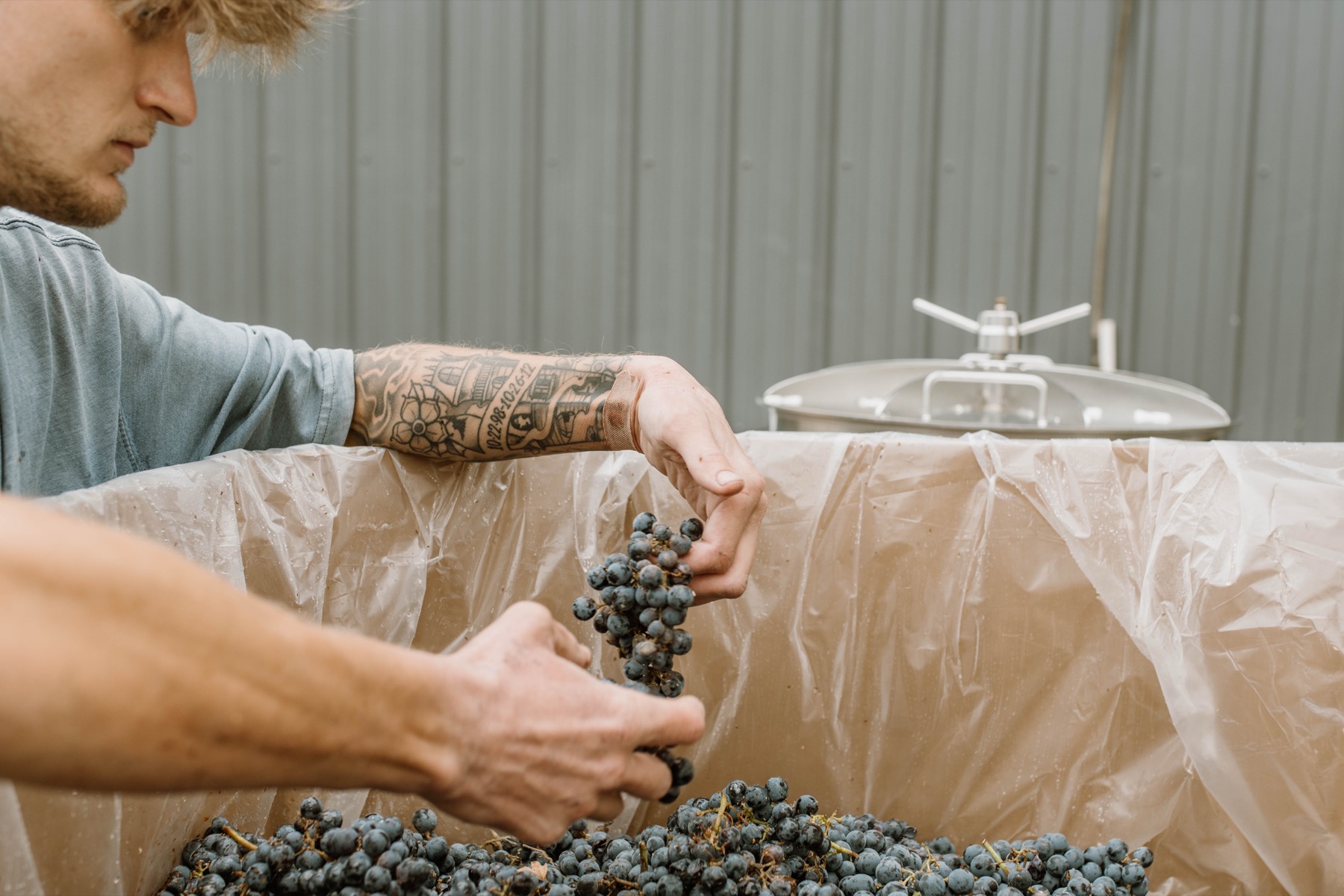
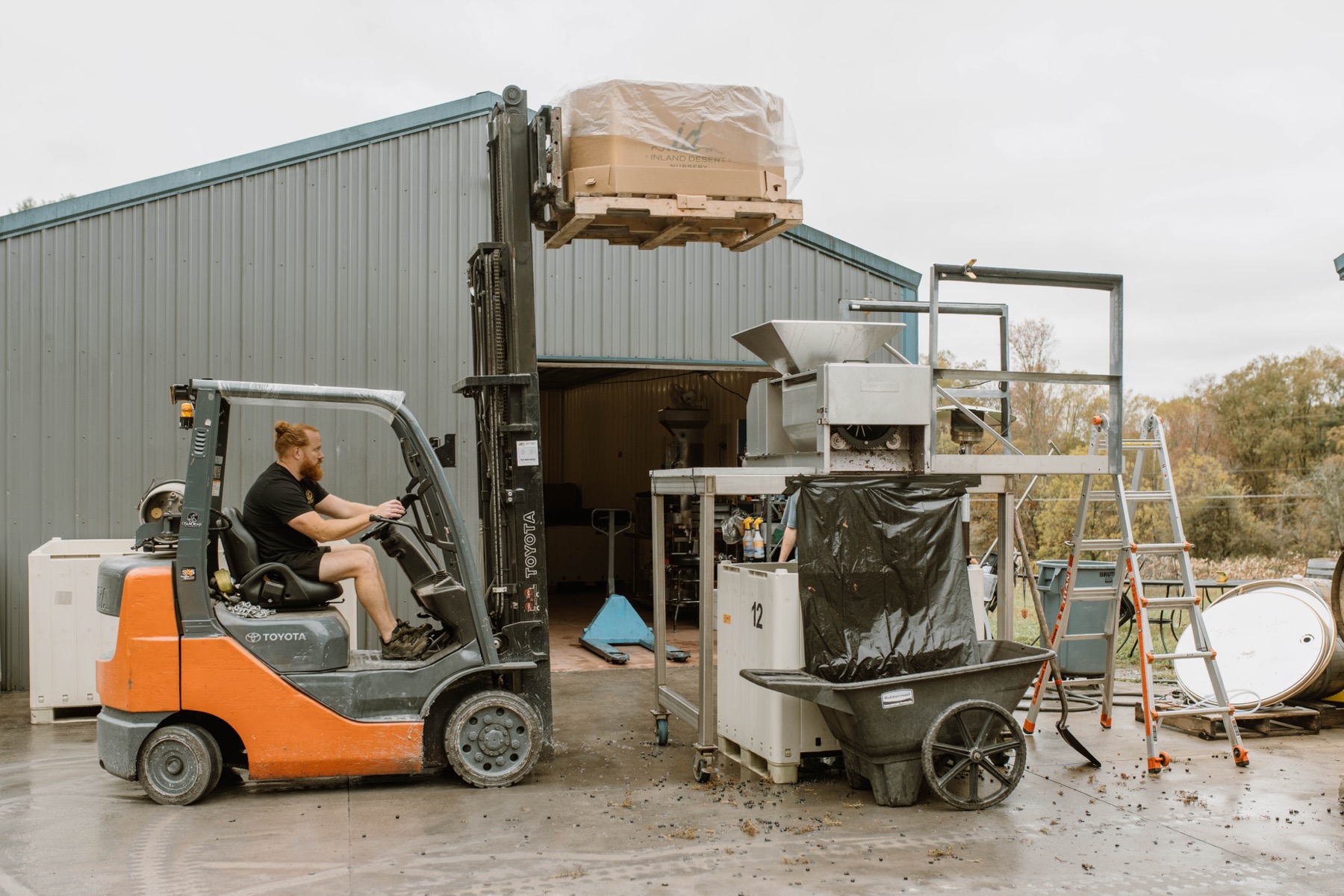
Seven vineyards across six appellations, farmed by families we’ve worked with for years. West Coast fruit, driven 2,600 miles to the Winehouse in the Pennsylvania hills.
Taste the TerroirEvery bottle names a place. Here’s what each one tastes like.
We don’t blend regions into anonymity. Each wine comes off named blocks in a specific appellation, and the ground shows up in the glass.
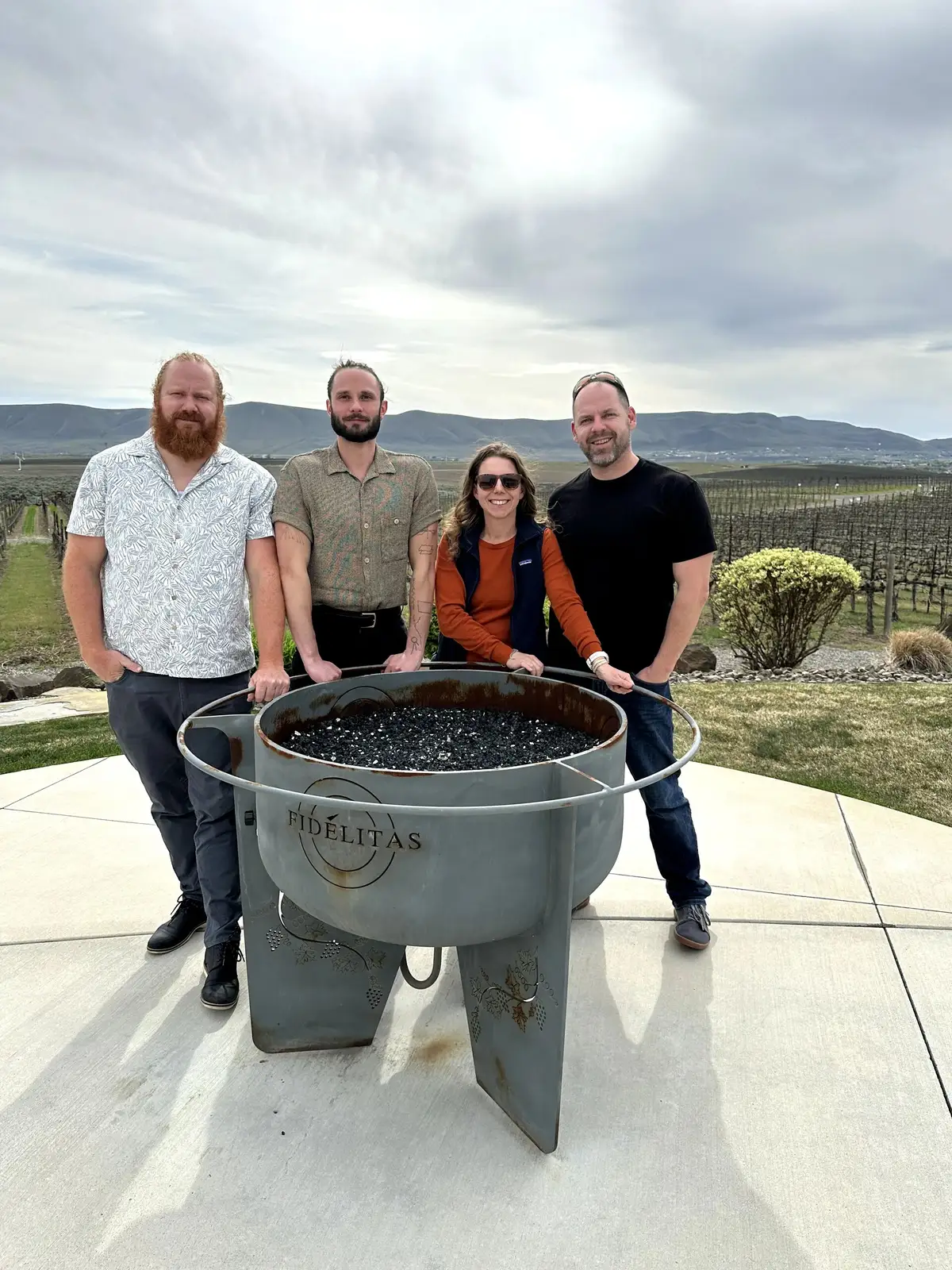
Red Mountain AVA
WashingtonA lone hill of reddish stones. Concentrated fruit, firm tannin, and a structure that rewards catching these wines young.
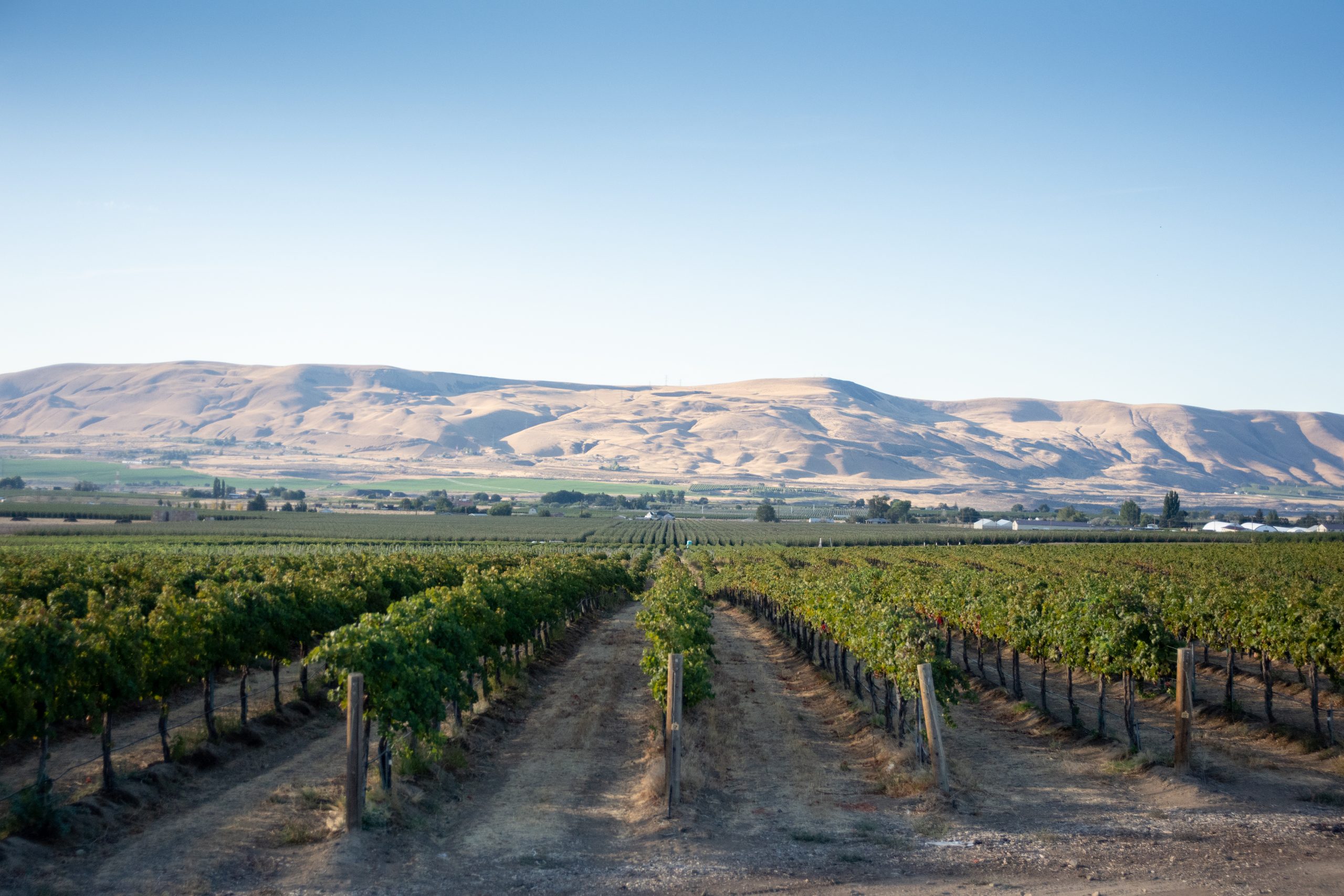
Yakima Valley AVA
WashingtonOur biggest source — workhorse blocks that turn out ripe, fragrant reds and cool-finish whites. Where the Dark Angel line starts.
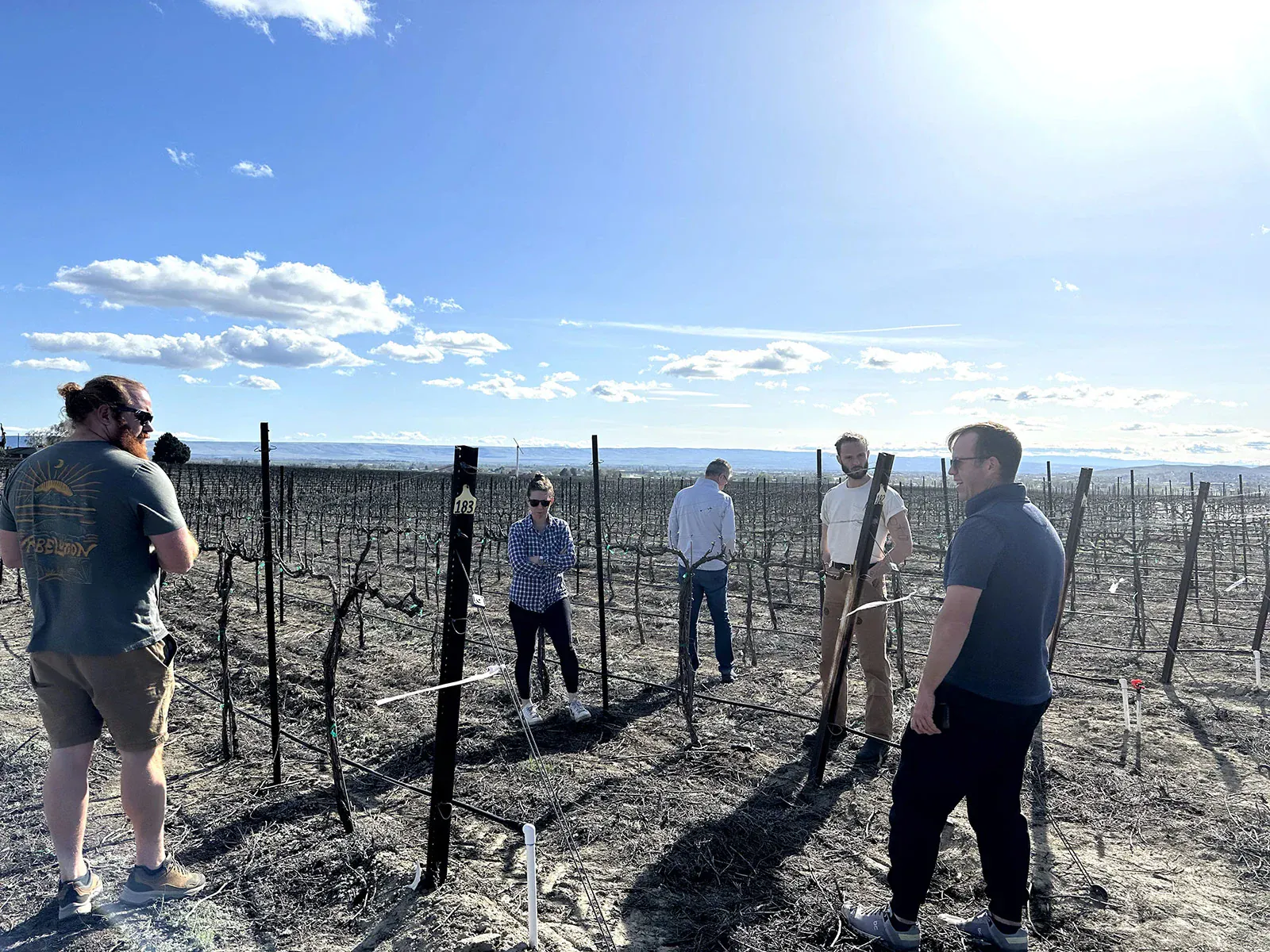
Columbia Valley AVA
WashingtonSunny days and sharp cold nights. Whites here stay bright and saline while the reds keep a savoury edge that plays beautifully with food.
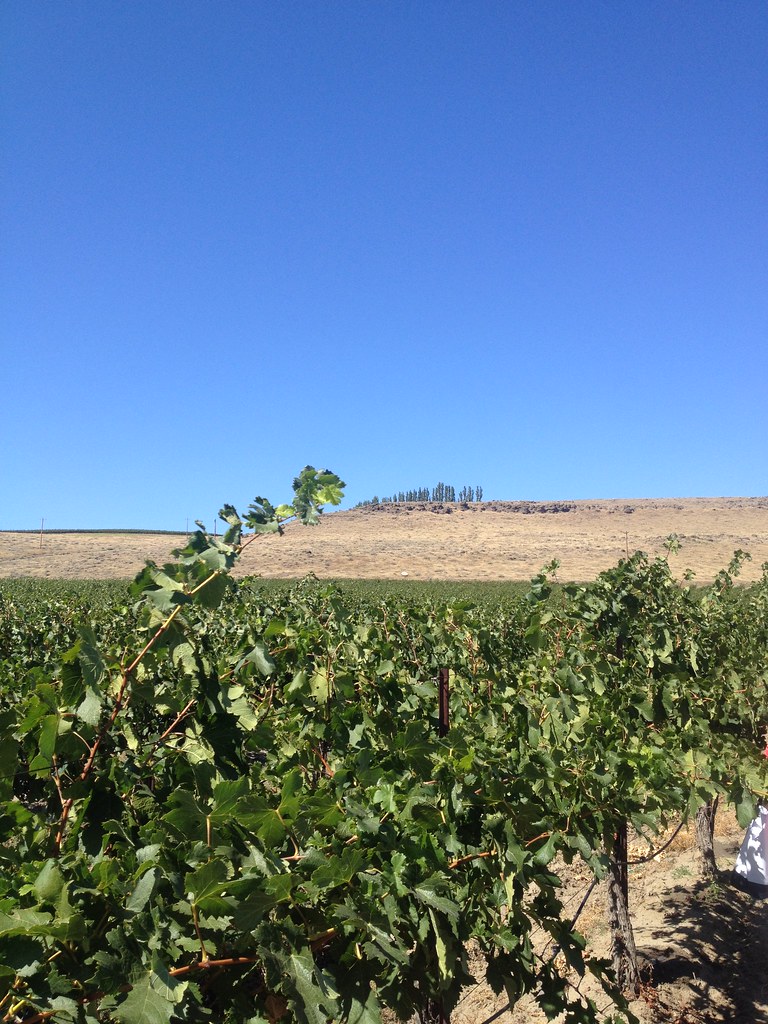
Horse Heaven Hills AVA
WashingtonOld head-trained blocks on a windy bench. Low yields, big roots, and a Petite Sirah that is impossible to confuse for anything else in the lineup.
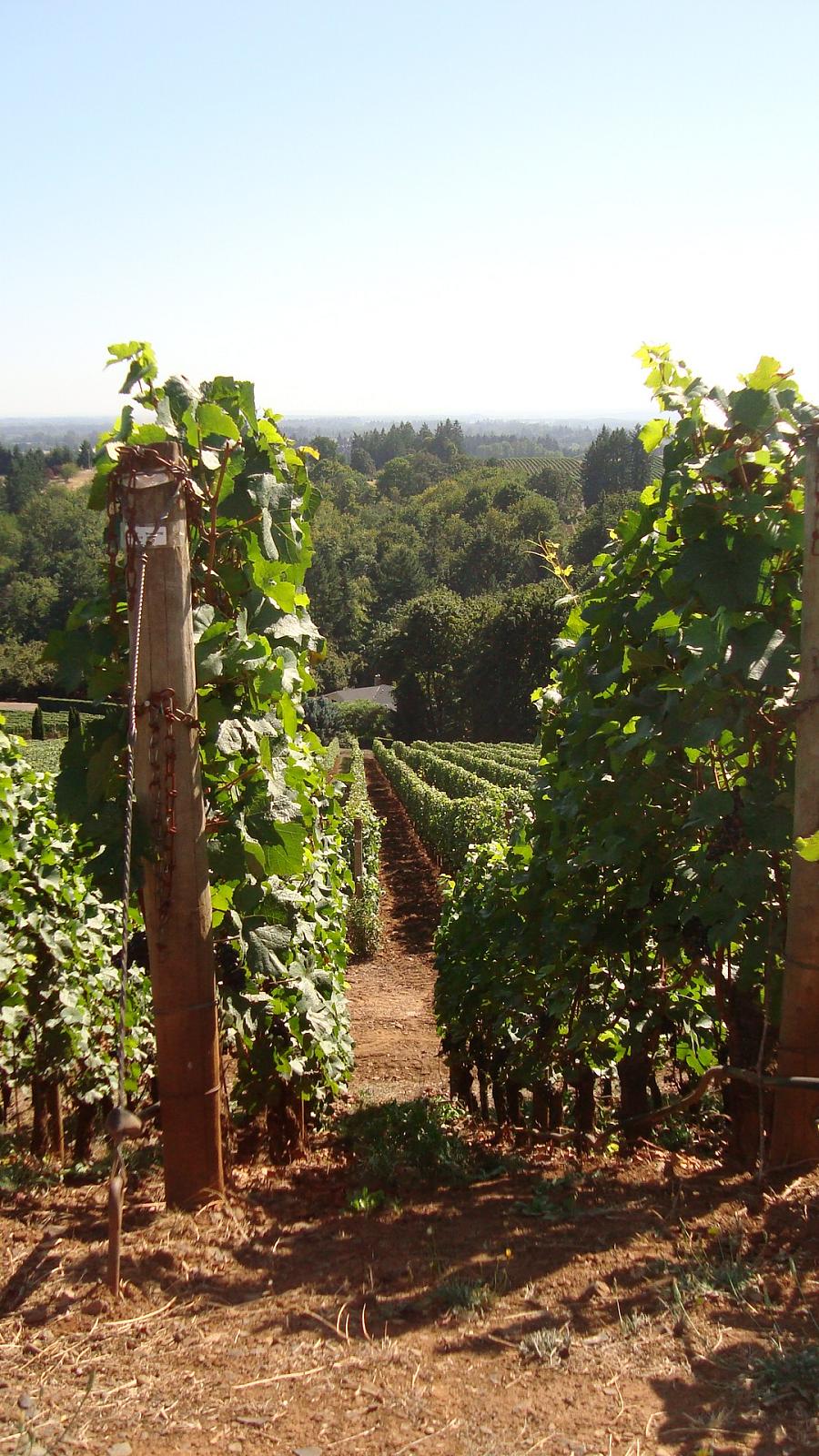
Willamette Valley AVA
OregonCool nights and maritime influence keep the acid alive. Our single Oregon block is the quiet, elegant end of the cellar.
Healthy vineyards aren’t just about the vines.
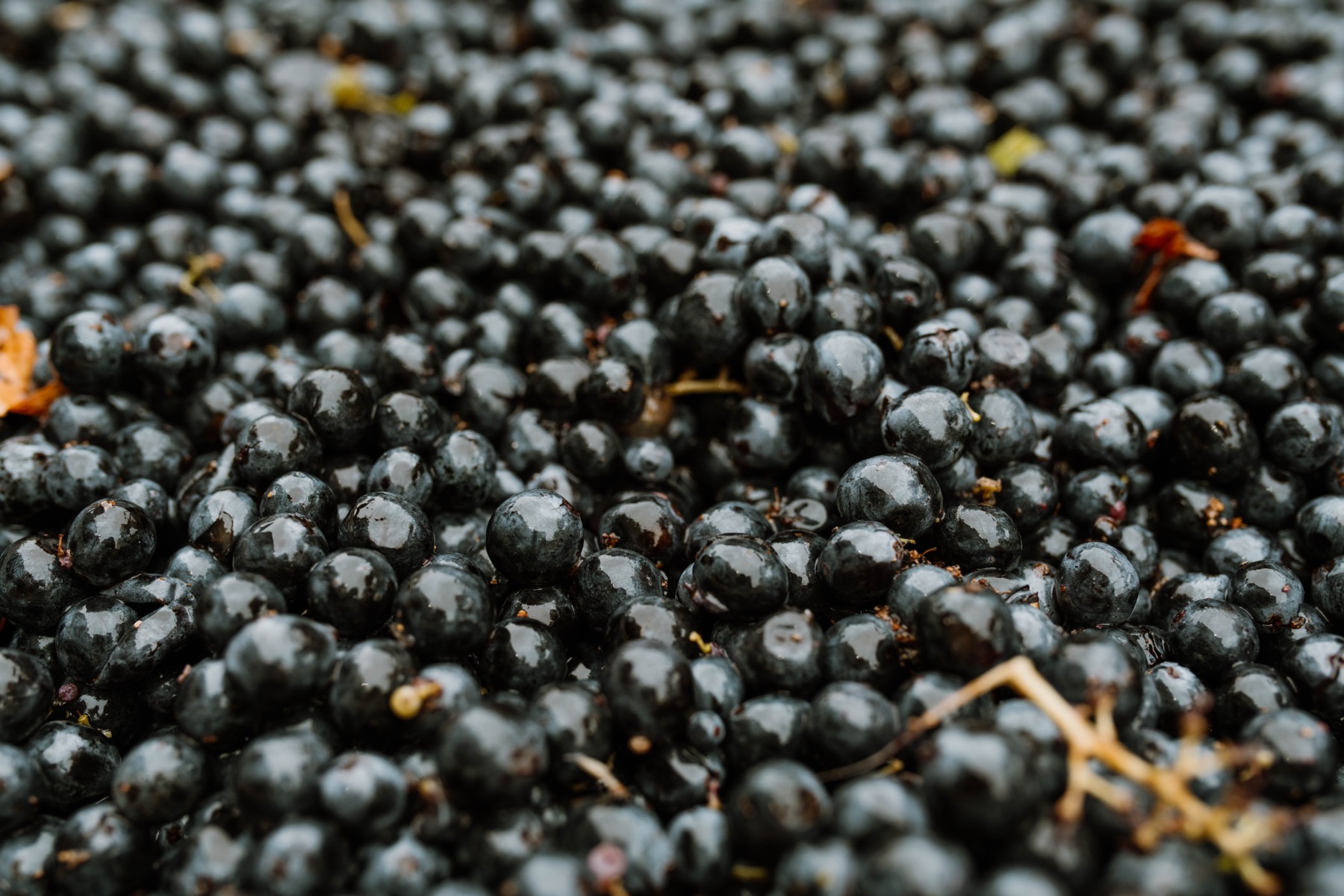
Our growers work with minimal intervention and biodynamic practice: cover crops between the rows, compost instead of quick fixes, and goats put to work grazing the weeds down instead of a sprayer.
It isn’t a marketing position. It’s soil that holds water, vines that don’t need rescuing, and fruit that arrives clean enough to ferment on its own yeast.
Half our labels are in French. There’s a reason for each one.
Not decoration. Each name says something about how the wine was made or where the idea came from.
The little brother of La Bête, and our youngest aged wine at just seven months in barrel, so it lands fresh, lively and easy to drink. Our take on a youthful Rhône GSM, and the wine we hand people who say they don’t like reds.
Shop Jeune Bête · $31.99A single-varietal saignée rosé from Carménère, our premier grape and a nod to our flagship, Dark Angel. The ferment came out clean and fresh, with all the earthy intensity of the gorgeous Carménère still showing through.
Meet the rest of the Beasts →Our orange wine: half natural, half guided fermentation, which is how it earned its name. Skin contact, unfiltered, and a step away from conventional methods.
Shop something different